
Investing in 3D printing
Profitable Products and Beginner's Guide to 3D Printing
Investing in 3D printing technology offers a unique opportunity to tap into a rapidly growing market with diverse applications. This technology transforms digital designs into physical objects by layering materials, enabling the creation of complex and customized products. As 3D printing becomes more accessible and affordable, it opens doors for entrepreneurs and investors to produce profitable items across various industries. This article explores the most lucrative products you can make with 3D printing and provides practical advice on how to start your journey in this promising field.
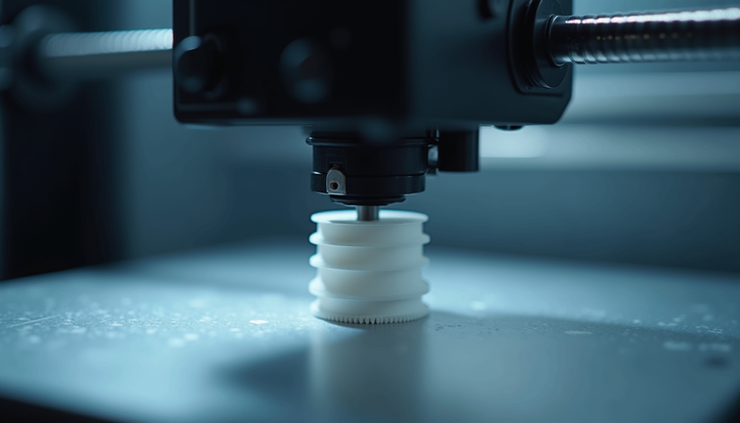
Profitable Products You Can Produce with 3D Printing
3D printing allows for the production of items that are difficult or expensive to manufacture using traditional methods. Here are some of the most profitable product categories:
Customized Jewelry and Accessories
3D printing enables the creation of intricate and personalized jewelry pieces such as rings, bracelets, and pendants. Designers can offer customers unique, made-to-order items that fit their style and preferences. This customization adds value and justifies premium pricing.
Rings with personalized engravings or unique shapes
Custom-fit eyewear frames
Fashion accessories like cufflinks and hairpins
Medical Devices and Prosthetics
The medical industry benefits greatly from 3D printing by producing custom prosthetics, orthotics, and surgical tools. These products improve patient comfort and outcomes while reducing manufacturing costs.
Tailored prosthetic limbs designed for individual needs
Dental implants and crowns made to exact specifications
Surgical guides that assist in precise operations
Automotive and Aerospace Parts
3D printing allows manufacturers to produce lightweight, durable parts with complex geometries that traditional methods cannot achieve easily. This reduces material waste and shortens production times.
Engine components with optimized designs for performance
Replacement parts for vintage or rare vehicles
Custom interior fittings and accessories
Home Decor and Furniture
Consumers increasingly seek unique home decor items and furniture pieces. 3D printing offers the ability to create bespoke designs that stand out in the market.
Lampshades with intricate patterns
Customized drawer handles and knobs
Small furniture pieces like stools or shelves
Consumer Electronics and Gadgets
The demand for personalized and innovative electronic accessories is rising. 3D printing supports rapid prototyping and production of these items.
Phone cases with custom designs
Wearable device components
Drone parts and accessories
Educational Tools and Toys
Educational institutions and parents look for engaging, hands-on learning tools. 3D printing can produce detailed models and interactive toys that enhance education.
Anatomical models for biology classes
Puzzle toys that develop problem-solving skills
Custom board game pieces
Industrial Tools and Prototypes
Businesses use 3D printing to create prototypes quickly and test new product designs without large upfront costs. This accelerates product development cycles.
Functional prototypes for testing form and fit
Custom jigs and fixtures for manufacturing
Replacement parts for machinery
How to Start Investing in 3D Printing
Entering the 3D printing market requires understanding the technology, selecting the right equipment, and identifying profitable niches. Here are steps to begin:
Learn the Basics of 3D Printing
Familiarize yourself with different 3D printing technologies such as Fused Deposition Modeling (FDM), Stereolithography (SLA), and Selective Laser Sintering (SLS). Each has unique advantages depending on the materials and product requirements.
Take online courses or tutorials on 3D modeling and printing
Join forums and communities to stay updated on trends
Experiment with simple projects to build skills
Choose the Right 3D Printer
Select a printer that matches your production goals and budget. Entry-level printers are suitable for small items and prototypes, while industrial-grade machines handle larger volumes and complex materials.
Consider print volume, resolution, and material compatibility
Evaluate maintenance costs and ease of use
Look for printers with strong customer support
Develop or Source 3D Models
Creating or acquiring high-quality 3D models is essential. You can design your own using software like Blender or Fusion 360, or purchase models from online marketplaces.
Learn basic 3D design skills to customize products
Collaborate with designers for unique creations
Use open-source models as a starting point
Identify Your Target Market
Research potential customers and industries that benefit from 3D printed products. Focus on niches where customization, speed, or cost savings provide a competitive edge.
Analyze competitors and pricing strategies
Gather feedback from potential buyers
Test product ideas with small batches
Set Up Production and Sales Channels
Organize your workspace for efficient printing and post-processing. Establish sales channels such as online stores, local markets, or partnerships with retailers.
Invest in finishing tools like sanders and paint supplies
Use platforms like Etsy, eBay, or Shopify to reach customers
Attend trade shows or craft fairs to showcase products
Manage Costs and Scale Up
Track material, labor, and overhead costs to maintain profitability. As demand grows, consider investing in additional printers or outsourcing parts of production.
Optimize print settings to reduce waste
Negotiate bulk material purchases
Automate repetitive tasks where possible
Key Considerations for Success
Quality control is critical to ensure products meet customer expectations.
Intellectual property rights should be respected when using or selling designs.
Sustainability matters: choose eco-friendly materials and recycle waste.
Stay updated on industry regulations especially for medical or safety-related products.
Final Thoughts
As we look towards the future of investing, it is clear that 3D printing stands out as a transformative technology with the potential to revolutionize various industries. For both seasoned investors and beginners, understanding the profitable products emerging from this field is essential.
Key Takeaways
Market Growth: The 3D printing market is expected to grow significantly, driven by advancements in technology and increasing adoption across sectors such as healthcare, automotive, and aerospace.
Diverse Applications: From prototyping to end-use products, 3D printing offers a wide range of applications, making it an attractive investment opportunity.
Accessibility for Beginners: With a variety of resources available, beginners can easily learn about 3D printing and its investment potential.
Innovative Startups: Many startups are emerging in the 3D printing space, offering unique investment opportunities in cutting-edge technologies and products.
Sustainability: 3D printing can contribute to more sustainable manufacturing practices, appealing to environmentally conscious investors.
Conclusion
Investing in 3D printing presents a unique opportunity for growth and innovation. By staying informed and exploring the various profitable products in this space, both novice and experienced investors can position themselves to benefit from the advancements and potential returns that 3D printing offers.


Comments