
Investing in Exotic Fruits in the US Best States, Sourcing Tips, and Profit Potential
Exotic fruits are no longer a niche item tucked into a corner of a specialty grocery store. Dragon fruit, passion fruit, guava, lychee, rambutan, jackfruit, cherimoya, sapote, and fresh turmeric-colored tropical fruit blends are showing up in supermarkets, farmers markets, restaurants, juice bars, and online fruit boxes across the United States.
That demand creates a real business opportunity, but it is not a simple one. Exotic fruit is perishable, climate-sensitive, and often regulated when imported. Smart investors need to understand where to source fruit, where to grow it, what margins are realistic, and how to manage risk before putting serious money into land, inventory, or distribution.
This guide covers Investing in Exotic Fruits in the US Best States, Sourcing Tips, and Profit Potential from a practical business point of view. It is informational only and should not be treated as financial, tax, or legal advice.

Why exotic fruits are attracting investors
The exotic fruit market benefits from several strong consumer trends at the same time.
Shoppers are cooking more globally inspired meals. Restaurants and beverage brands use tropical flavors to stand out. Health-focused consumers often look for fruit with bright colors, fiber, distinctive aromas, and fresh preparation options. Immigrant communities also create steady demand for fruits that are common in Latin America, the Caribbean, Southeast Asia, South Asia, and parts of Africa.
For investors, exotic fruit can be attractive because:
Premium pricing is common
Fresh exotic fruit often sells for more per pound than apples, oranges, or bananas, especially when quality is high and supply is limited.
Local production can command a higher price
US-grown tropical and subtropical fruit may reach buyers fresher than imported fruit, with less transit damage.
There are several entry points
An investor can grow fruit, distribute imported fruit, sell direct-to-consumer boxes, supply restaurants, build a nursery business, or process fruit into pulp, jam, dried snacks, or frozen packs.
Small acreage can work
Some crops, such as dragon fruit, passion fruit, guava, and certain specialty citrus varieties, can fit smaller farms if the market access is strong.
The opportunity is real, but so are the risks. Weather events, pests, import rules, labor costs, short shelf life, and inconsistent supply can reduce profits quickly.
The main ways to invest in the exotic fruit business
There is more than one way to enter this market. The right path depends on available capital, location, farming knowledge, and tolerance for risk.
Grow exotic fruits domestically
Growing fruit gives the most control over quality and supply, but it also requires the most patience. Many fruit trees take years to reach full production. Land, irrigation, soil improvement, trellising, frost protection, crop insurance, and labor can require a large upfront investment.
Good crop choices for small or mid-size growers include:
Dragon fruit
Passion fruit
Guava
Papaya in frost-free areas
Lychee and longan in suitable microclimates
Mango in warm coastal or southern zones
Cherimoya and white sapote in parts of California
Specialty citrus, where citrus disease pressure is manageable
Buy and resell wholesale fruit
A distributor or reseller buys from growers, importers, terminal markets, or packing houses, then sells to grocery stores, restaurants, juice bars, and consumers.
This model can start faster than farming. The key challenge is handling perishability. Cold storage, fast turnover, reliable buyers, and strict quality control matter more than having the lowest purchase price.
Build a direct-to-consumer exotic fruit box
Online fruit boxes can work well for rare, visually appealing fruit. Customers often pay for novelty, ripeness, and variety. This model needs strong packing methods, careful shipping schedules, and honest descriptions of ripeness and shelf life.
The risk is waste. If a shipment arrives overripe or bruised, refunds and replacements can erase the profit on that order.
Sell planting material and nursery trees
In warm states, nurseries can sell grafted mango trees, dragon fruit cuttings, guava trees, passion fruit vines, and other specialty plants to homeowners and small farms.
This can be a strong side business for growers. It also spreads risk because plant sales are not tied only to fruit harvest volume.
Process fruit into value-added products
Frozen pulp, dried fruit, jams, sauces, beverages, sorbets, and bakery ingredients can extend shelf life. Processing may also create value from fruit that is flavorful but not cosmetically perfect.
Food processing brings extra rules. Expect licensing, labeling, food safety systems, commercial kitchen requirements, and possible inspections.
Where to get exotic fruits in the United States
Sourcing depends on whether the goal is resale, growing, processing, or product testing.

Wholesale produce markets
Major metropolitan areas often have wholesale produce markets or terminal markets where vendors sell fruits by the case. These markets can be useful for testing demand before committing to large contracts.
Common hubs include areas around Los Angeles, Miami, New York City, Chicago, Houston, and other large distribution centers. Availability changes by season and by import flow.
Produce importers and specialty distributors
Importers bring fruit from countries such as Mexico, Guatemala, Ecuador, Colombia, Peru, Vietnam, Thailand, and the Dominican Republic, depending on the fruit and US import rules.
A professional buyer should ask about:
Country of origin
USDA import compliance
Cold chain handling
Expected shelf life
Case weight and pack size
Minimum order quantity
Claims policy for damaged or spoiled fruit
US specialty farms
Domestic farms in Florida, Hawaii, California, Texas, and a few Gulf Coast regions grow tropical and subtropical fruit. Buying from US farms can mean fresher fruit, better communication, and seasonal storytelling that helps with retail sales.
This route often works best when buyers plan ahead. Many small farms pre-sell premium fruit or have limited harvest windows.
Farmers markets and local grower networks
Farmers markets are not only retail outlets. They are also useful research sites. A buyer can see what sells, what prices consumers accept, and which fruits create the most curiosity.
Small growers may also sell excess fruit to restaurants, local grocers, or direct-to-consumer sellers.
Licensed nurseries for planting stock
For cultivation, do not buy random seeds online and expect commercial results. Use reputable, licensed nurseries that sell true-to-type plants, disease-aware stock, and varieties suited to the local climate.
For some crops, grafted trees or named cultivars matter. A seedling mango or lychee tree may take longer to fruit and may produce inconsistent quality.
USDA and state agriculture rules
Imported fruits and plant materials can be subject to USDA Animal and Plant Health Inspection Service rules, quarantine restrictions, permits, treatments, or bans. States may also have their own rules, especially California, Florida, Hawaii, and Texas.
Before importing fruit, seeds, cuttings, or trees, verify the current rules with USDA APHIS and the relevant state department of agriculture.
The best US states to cultivate exotic fruits
The best states combine warm temperatures, long growing seasons, market access, skilled growers, and suitable water conditions. No state is perfect. Each comes with trade-offs.
State | Best-fit fruits | Why it works | Main risks |
Florida | Mango, guava, lychee, longan, papaya, passion fruit, dragon fruit, starfruit, sapote | Warm climate, strong tropical fruit culture, access to East Coast markets, experienced growers | Hurricanes, fruit flies, citrus greening, humidity-related disease |
Hawaii | Papaya, rambutan, lychee, longan, cacao, breadfruit, dragon fruit, mango | True tropical climate, year-round potential for some crops, rich volcanic soils in many areas | High land costs, shipping costs, island logistics, invasive pests |
California | Dragon fruit, cherimoya, white sapote, guava, passion fruit, specialty citrus, avocado, some mango microclimates | Large consumer market, strong specialty agriculture sector, dry climate that helps some crops | Water costs, frost risk in some areas, high labor and land costs |
Texas | Dragon fruit, figs, guava in protected zones, jujube, pomegranate, passion fruit, some citrus | Warm southern regions, growing population, lower land costs in some areas | Freezes, heat extremes, water management, hurricane risk near the coast |
Arizona | Dragon fruit under shade, dates, pomegranate, figs, citrus in suitable zones | Dry climate, strong sun, established desert fruit knowledge | Heat stress, irrigation needs, limited crop range |
Louisiana | Mayhaw, figs, muscadines, some citrus, protected tropical trials | Warm Gulf climate and regional food markets | Humidity, storms, freeze risk, disease pressure |
Florida is the strongest mainland state for tropical diversity
South Florida is one of the best mainland regions for growing a wide range of exotic fruits. Miami-Dade, Broward, Palm Beach, Lee, Collier, and surrounding areas support crops like mango, avocado, guava, lychee, longan, dragon fruit, passion fruit, starfruit, and sapote.
The business advantage is not only climate. Florida has growers, packing knowledge, tropical fruit buyers, and proximity to Miami’s import and distribution networks.
The main concern is weather. Hurricanes can damage trees, trellises, and irrigation systems. Humidity also increases disease pressure. A smart Florida investment includes wind planning, drainage, crop diversity, and insurance research.
Hawaii offers true tropical production but higher costs
Hawaii can grow fruits that are difficult or impossible to grow outdoors in most mainland states. Rambutan, cacao, breadfruit, tropical papaya, certain bananas, dragon fruit, and lychee can fit specific islands and elevations.
The challenge is cost. Land, labor, compliance, and shipping can be expensive. Hawaii-grown fruit can command premium pricing, but growers must calculate freight and post-harvest handling carefully.
Hawaii may be best for high-value fruit, agritourism, specialty processing, or direct premium sales rather than bulk commodity-style production.
California is ideal for specialty and subtropical fruit
California’s advantage is its massive consumer base and experienced specialty crop industry. Southern coastal counties and mild inland pockets can support cherimoya, white sapote, guava, passion fruit, dragon fruit, specialty citrus, and limited mango production in protected microclimates.
The dry climate can reduce some fungal problems compared with humid regions. Still, water cost, frost protection, land prices, and labor rules must be built into the business plan.
California is especially strong for direct-to-consumer sales, farmers markets, restaurant supply, boutique orchards, and premium varieties.
Texas has potential in protected and southern areas
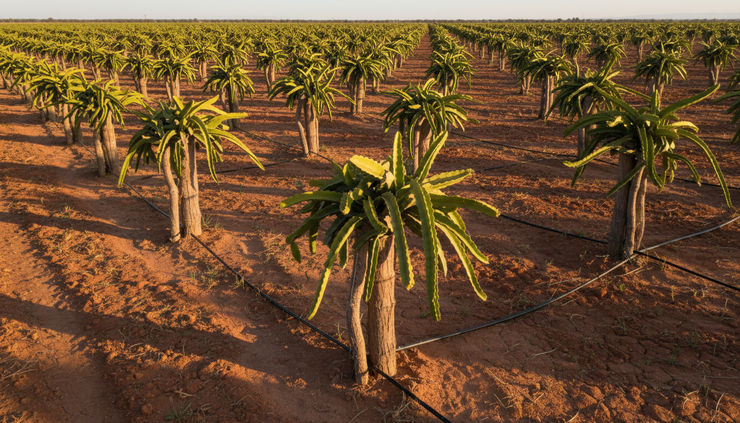
Texas is not a pure tropical fruit state, but it offers opportunity for certain crops. The Rio Grande Valley and other warm regions can support citrus and some subtropical fruit. Dragon fruit, passion fruit, guava, figs, jujube, and pomegranate can work in selected locations with protection.
Freezes are the biggest threat. A grower should plan for windbreaks, frost cloth, high tunnels, or greenhouse systems if planting sensitive crops.
Texas also has a large and growing consumer market, especially for tropical and Latin American fruits.
Arizona works best for heat-tolerant specialty crops
Arizona can support dates, figs, pomegranates, and citrus in suitable areas. Dragon fruit may work with shade and careful irrigation, since cactus fruit still needs protection from extreme desert sun.
Arizona is not the broadest exotic fruit state, but it can serve niche markets well. Water access is the central question. No crop plan should move forward without a serious irrigation budget and long-term water review.
Profit potential and realistic yearly earnings
Exotic fruit businesses can be profitable, but the numbers vary widely. Crop choice, land cost, yield, labor, sales channel, and waste rate can change the outcome more than the fruit itself.
A farm selling directly to consumers may earn more per pound than a farm selling wholesale, but it spends more time on packing, markets, shipping, and customer service. A reseller may scale faster, but spoilage and freight claims can be painful.
Use the ranges below as planning examples, not promises.
Business model | Typical startup cost range | Possible yearly net profit once operating well | Notes |
Small reseller or farmers market seller | $5,000 to $30,000 | $10,000 to $60,000 | Works as a side business if waste stays low |
Specialty distributor | $25,000 to $150,000+ | $50,000 to $250,000+ | Requires cold storage, buyers, and steady supply |
1 to 5 acre exotic fruit farm | $30,000 to $250,000+ | $10,000 to $50,000+ per mature acre in strong direct markets | Trees may need several years before full production |
Online exotic fruit box business | $10,000 to $100,000+ | $25,000 to $200,000+ | Shipping damage and customer refunds must be controlled |
Nursery and plant sales | $10,000 to $75,000+ | $20,000 to $100,000+ | Works well alongside a farm in warm regions |
Value-added fruit products | $20,000 to $200,000+ | $30,000 to $150,000+ | Food safety, packaging, and licensing affect costs |
The highest returns usually come from combining several channels. For example, a small farm might sell premium fruit fresh, sell damaged but usable fruit to a processor, offer nursery plants, and host paid farm tours during harvest season.
A narrow business can work, but it carries more risk. One crop, one buyer, or one supply source can fail quickly.
How to invest smart in this business
The smartest investors start small, test demand, and scale only after they understand quality, logistics, and buyer behavior.
Start with market research before buying land
Visit farmers markets, specialty grocers, Asian markets, Latin markets, Caribbean stores, juice bars, restaurants, and online fruit sellers. Track which fruits sell, what they cost, and how often they are available.
Pay attention to fruit condition. If a store sells poor-quality expensive fruit and customers still buy it, there may be room for a better supplier.
Choose crops based on buyers, not personal taste
A fruit can be delicious and still fail commercially if buyers do not recognize it or if it bruises too easily. Before planting, ask potential buyers what they already purchase, when supply is weak, and what pack sizes they prefer.
Good first crops often have at least one of these traits:
Familiar enough to sell without heavy explanation
Distinct appearance that helps retail sales
Strong shelf life compared with softer tropical fruits
Multiple uses in beverages, desserts, sauces, or fresh eating
Ability to grow well in the local climate
Build a cold chain early
Temperature control protects profit. Even a small reseller should think about coolers, insulated packing, shade at markets, rapid sorting, and delivery timing.
Spoilage is one of the fastest ways to lose money in exotic fruit. A 20 percent waste rate can turn a good margin into a weak one.
Diversify crops and sales channels
Weather does not affect all crops the same way. Neither do market trends. A grower with dragon fruit, passion fruit, guava, and nursery plants has more flexibility than a grower with only one crop.
Sales channels can also be mixed:
Wholesale cases to grocers
Premium boxes to consumers
Restaurant supply
Farmers markets
Frozen pulp or processing
Nursery plants
Agritourism, where local rules allow it
Know the legal and food safety requirements
A professional operation may need business registration, sales tax permits, farm labor compliance, food handling practices, nursery licenses, import permits, cottage food approvals, or commercial kitchen access.
Rules vary by state and product. Fresh whole fruit is simpler than cut fruit, juice, dried fruit, or packaged sauces.
Protect against climate risk
In warm states, the main risks are hurricanes, freezes, drought, flooding, heat, and pests. A smart plan may include:
Drip irrigation
Windbreaks
Raised beds or drainage canals
Shade cloth for sensitive crops
Frost protection
Backup water systems
Crop insurance review
Planting in stages instead of all at once
Track numbers by crop and channel
Do not judge the business only by total sales. Track profit by fruit type and sales channel.
At minimum, monitor:
Cost per pound or per case
Labor per harvest or delivery
Spoilage rate
Packaging cost
Shipping or fuel cost
Average selling price
Refunds or credits
Net profit per crop
This shows which fruits deserve more investment and which ones are only creating work.

The best strategy for new investors
For most investors, the safest path is not to buy a large farm right away. A staged approach works better.
Start by sourcing fruit from reliable farms or importers and selling through a focused channel, such as farmers markets, restaurants, specialty grocers, or curated fruit boxes. This teaches pricing, ripeness, customer demand, and waste control.
Next, grow a small test plot or partner with a local grower. Test two to four crops in the right climate rather than planting dozens of varieties. Keep records for at least one full season.
Once demand and production are proven, expand into acreage, cold storage, nursery sales, or value-added products.
The exotic fruit business rewards patience. Fruit trees take time, supply chains take trust, and buyers remember quality. The investors who do best treat the business as agriculture plus logistics, not just a trend.
A smart plan starts with one clear question: can this fruit be sourced or grown at high quality, sold quickly, and priced high enough to cover waste, labor, and risk? If the answer is yes, exotic fruit can become a profitable and durable business in the right part of the United States.


Comments