
Top E-commerce Business Ideas in the USA to Profit from Trending Products and Smart Investments
E-commerce in the USA is no longer just about launching a store and waiting for orders. The best opportunities now sit where demand, product fit, fulfillment, and customer trust meet. Shoppers want useful products, fast delivery, clear return policies, and brands that solve real problems.
That creates room for new sellers, but it also raises the bar. A smart e-commerce investment is not only about picking a popular product. It is about choosing a business model you can run well, finding products with repeat demand, and building a store that customers believe in.
This guide covers practical e-commerce business ideas in the USA, product categories gaining attention, and smart ways to invest without wasting money on inventory that does not sell.

Why e-commerce is still a strong business opportunity in the USA
American consumers are comfortable buying almost everything online, from groceries and pet supplies to furniture, wellness items, and car accessories. Many shoppers also compare prices, read reviews, and expect niche products to be easy to find.
That gives small sellers several advantages:
They can target specific needs instead of competing with giant retailers on everything.
They can test products through small batches, print-on-demand, or dropshipping.
They can sell through multiple channels, including their own website, Amazon, Walmart Marketplace, Etsy, eBay, and TikTok Shop.
They can grow into subscription models, bundles, private-label products, and wholesale.
The biggest opportunity is not always the flashiest trend. Often, the most profitable stores sell products people use often, replace regularly, or buy as gifts. The strongest ideas combine steady demand with a clear reason to choose your store.
Choose the right e-commerce model before choosing products
Before investing in inventory, decide how the business will make money. The model affects your startup cost, risk, shipping speed, and profit margin.
Business model | Best for | Main advantage | Main risk |
Dropshipping | Testing product demand | Low upfront inventory cost | Less control over shipping and quality |
Private label | Building a long-term brand | Better margins and customer loyalty | Higher upfront cost |
Print-on-demand | Apparel, gifts, wall art | No bulk inventory | Lower margins and slower production |
Wholesale resale | Proven products | Faster product validation | Price competition |
Subscription boxes | Replenishable or themed products | Repeat revenue | Churn and fulfillment complexity |
Digital products | Templates, guides, courses | High margin after creation | Requires trust and useful expertise |
Handmade or custom goods | Unique products | Strong differentiation | Harder to scale production |
For many new sellers, the safest path is to test with a low-risk model first, then invest more when the data supports it. For example, a seller might test demand for pet travel accessories with dropshipping, then create a private-label version once sales and reviews show strong interest.
The best e-commerce business ideas to consider in the USA
The following ideas match current buying habits in the US market. Some work well as standalone stores, while others are better as product lines inside a broader niche brand.
1. Health and wellness products for daily routines
Wellness remains one of the strongest e-commerce categories, but sellers need to be careful with claims. Products such as water bottles, posture supports, sleep masks, massage tools, fitness bands, yoga accessories, and meal-prep containers can perform well without making medical promises.
A strong angle is to focus on daily habits, comfort, and convenience. For example, a store could sell sleep-friendly bedroom accessories, including blackout curtains, eye masks, white noise machines, and travel pillows.
Avoid unsupported health claims. Talk about comfort, design, materials, and customer use cases instead.
2. Pet products for dogs, cats, and small animals
Pet owners regularly buy food accessories, toys, grooming tools, beds, leashes, bowls, travel carriers, and cleaning products. The pet category also has strong repeat purchase potential.
Popular product ideas include:
Slow-feeder bowls
Washable pet beds
Cat water fountains
Dog car seat covers
Pet hair removers
Enrichment toys
Travel-friendly food containers
A good store can focus on a specific pet lifestyle, such as apartment dogs, senior pets, anxious pets, or road trips with pets.
3. Home organization and small-space living products
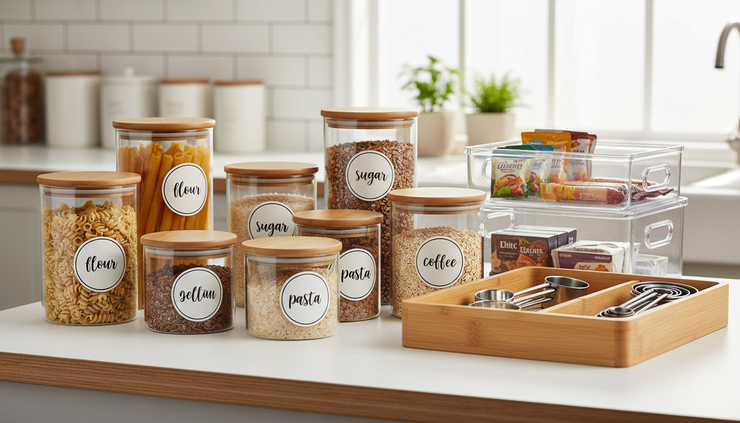
Many Americans want cleaner, more functional homes. This creates demand for organizers, storage bins, under-sink racks, closet dividers, pantry labels, drawer trays, laundry sorters, and cable management products.
This niche works well because products are visual and practical. Before-and-after photos, simple videos, and bundle offers help customers understand the value quickly.
The best products are lightweight, durable, easy to ship, and hard to find in the exact style or size at local stores.
4. Sustainable household products
Eco-conscious shopping continues to influence product choices, especially for reusable and low-waste items. Sellers can focus on products such as reusable food wraps, refillable cleaning bottles, compostable mailers, bamboo kitchen tools, wool dryer balls, washable cleaning cloths, and plastic-free bathroom accessories.
Trust matters in this category. Be specific about materials and sourcing. Do not exaggerate environmental benefits. Customers can spot vague claims fast.
A smart approach is to sell starter kits, such as a “low-waste laundry kit” or “plastic-free kitchen basics” set.
5. Beauty and personal care tools
Beauty e-commerce is crowded, but tools and accessories can be easier to manage than cosmetics. Products such as makeup organizers, skincare fridges, facial cleansing tools, hair styling accessories, reusable makeup remover pads, nail kits, and travel cosmetic bags are popular.
The key is to choose products with clear use and strong presentation. Beauty customers care about design, packaging, and reviews. If you sell skincare or cosmetic items, pay close attention to labeling, safety, and compliance.
6. Baby and parenting products
Parents buy products that save time, reduce mess, and make travel easier. Useful product ideas include stroller organizers, diaper bag inserts, silicone bibs, baby-proofing kits, portable changing pads, bath toys, toy storage, and nursery organizers.
Safety is critical. Avoid unknown suppliers for items that babies chew, sleep in, or wear. For this niche, quality control and clear product information are especially important.
7. Home fitness and recovery accessories
Home fitness is not limited to big equipment. Many shoppers prefer compact, affordable items that fit apartments and small rooms. Resistance bands, yoga blocks, jump ropes, balance boards, foam rollers, massage balls, ankle weights, and foldable mats all match this demand.
Recovery products are also attractive because they appeal to fitness beginners, runners, desk workers, and older adults. Again, avoid medical claims. Focus on comfort, exercise support, and ease of use.
8. Car accessories and travel convenience products
Car accessories are strong because many Americans commute, take road trips, or use vehicles for family life. Product ideas include seat gap fillers, trunk organizers, phone mounts, car trash bins, sunshades, pet seat covers, emergency kits, and portable tire inflators.
This category rewards practical product pages. Show exact size, compatibility, installation steps, and what comes in the package.
9. Smart home and tech accessories
Smart home products can be profitable, but they also require support and quality control. Safer entry points include accessories rather than complex electronics.
Consider:
Cable holders
Charging stations
Tablet stands
Privacy covers
Smart speaker wall mounts
LED light strips from reliable suppliers
Protective cases for popular devices
Tech buyers care about compatibility. Product listings should clearly state which device models the item fits.

10. Specialty food and beverage products
Specialty food can work well online when it targets a clear taste, diet, or gifting occasion. Examples include hot sauces, spice blends, coffee beans, teas, baking kits, snack boxes, jerky, candy gift sets, and regional foods.
Food businesses need to follow labeling, storage, and shipping rules. Perishable items add cost and complexity, so many new sellers start with shelf-stable products.
Giftable packaging can raise average order value, especially around holidays.
11. Apparel basics and niche fashion
General fashion is competitive, but niche apparel can still work. Focus on a specific use case or community, such as maternity basics, work-from-home comfort wear, modest activewear, outdoor socks, compression socks, or matching family pajamas.
Print-on-demand works for testing designs, but private-label basics usually offer better quality control once demand is proven.
Fit, fabric, and returns matter. Clear size charts and realistic photos reduce customer frustration.
12. Hobby, craft, and DIY kits
Hobby products gained lasting attention because people like hands-on experiences at home. Sellers can build kits for candle making, soap making, embroidery, painting, jewelry making, gardening, model building, or kids’ crafts.
Kits work well because they combine multiple items into one convenient purchase. They also make good gifts. The best kits include simple instructions, attractive packaging, and enough supplies for a satisfying first project.
13. Outdoor, camping, and backyard products
Outdoor products appeal to campers, hikers, families, homeowners, and renters with patios. Popular products include portable chairs, picnic blankets, solar lanterns, cooler accessories, waterproof bags, garden tools, bird feeders, outdoor games, and patio storage.
Lightweight items are easier for new sellers. Bulky items can work, but shipping costs must be calculated before investing.
14. Digital products and downloadable tools
Not every e-commerce business ships physical goods. Digital products can include planners, budget templates, resume templates, meal plans, design assets, business forms, printable wall art, and online courses.
This model has low delivery cost, but it requires clear value. Buyers need to know exactly what they receive and how it helps them.
Digital products work especially well when paired with content, email lists, or a trusted niche audience.
15. B2B e-commerce for small businesses
Selling to other businesses can be a smart path because buyers often reorder. Product ideas include shipping supplies, packaging materials, salon supplies, restaurant takeout items, cleaning supplies, uniforms, safety signs, and event materials.
B2B stores need accurate product details, bulk pricing, easy reordering, and reliable delivery. The customer cares less about flashy design and more about dependable supply.
Trending products in the USA worth watching
Trends change fast, but some product groups keep showing strong interest because they solve common problems. Use these as research starting points, not automatic winners.
Product category | Examples | Why customers buy |
Home organization | Pantry containers, drawer dividers, closet systems | Cleaner spaces and easier routines |
Pet care | Grooming tools, travel gear, enrichment toys | Pet comfort and convenience |
Wellness accessories | Sleep masks, fitness bands, massage tools | Daily self-care and comfort |
Reusable products | Dryer balls, refill bottles, washable cloths | Waste reduction and long-term savings |
Car convenience | Trunk organizers, seat covers, phone mounts | Cleaner and safer driving |
Baby products | Silicone bibs, stroller storage, nursery organizers | Less mess and easier parenting |
Hobby kits | Craft kits, gardening kits, baking kits | Fun at-home experiences |
Tech accessories | Charging stations, stands, cable organizers | Device convenience |
The best way to invest is to compare product demand across several signals. Look at marketplace best-seller lists, search suggestions, customer reviews, seasonal patterns, and competitor pricing. Pay close attention to negative reviews. They often reveal product gaps you can fix.
How to evaluate a product before investing
A product can be popular and still be a poor investment. Before placing a large order, check whether the numbers and operations make sense.
Use this simple filter:
Demand People already search for it, review it, or buy similar products.
Margin The selling price leaves room for product cost, shipping, packaging, marketplace fees, returns, and ads if used.
Shipping The item is not too heavy, fragile, oversized, or expensive to return.
Differentiation You can improve the product, bundle it, package it better, or serve a more specific customer.
Supplier quality Samples match expectations, and the supplier can repeat the same quality.
Compliance The product does not create avoidable safety, labeling, or legal issues.
A small test order is usually better than a large guess. Even experienced sellers test products before placing bigger bets.
Smart investment strategies for new e-commerce sellers
Treat e-commerce like a real business from the start. That does not mean spending heavily. It means spending in the right order.
Start with a focused niche
A general store is hard to trust. A focused store feels more useful. For example, “home products” is broad. “Small apartment organization” is clearer and easier to merchandise.
Test before scaling
Use a small inventory batch, preorders, dropshipping, or print-on-demand to test interest. Watch conversion rate, return rate, customer questions, and reviews. Sales alone do not tell the full story.
Build bundles to raise order value
Bundles help customers buy a complete solution. A pet travel bundle could include a car seat cover, collapsible bowl, waste bag holder, and storage pouch. A kitchen organization bundle could include spice jars, labels, and drawer inserts.
Invest in product pages
Clear photos, useful descriptions, size details, shipping information, and honest FAQs reduce hesitation. Good product pages answer customer questions before they ask.
Keep cash available
Inventory ties up money. Returns, damaged items, slow months, and supplier delays can hurt cash flow. Keep a reserve instead of spending the full budget on stock.

Common mistakes that reduce e-commerce profit
Many new sellers lose money because they skip the basics. The most common mistakes include:
Buying too much inventory before testing demand
Choosing products only because they are trending
Ignoring shipping costs and return rates
Selling products with unclear safety or labeling requirements
Copying competitors without offering a better reason to buy
Using poor photos or vague descriptions
Depending on one marketplace or one supplier
Underpricing without knowing the true cost per order
The goal is not to chase every new product trend. The goal is to build a business where customers understand the value, receive a good product, and have a reason to come back.
The best starting point for most sellers
For a first e-commerce investment, choose a product that is simple, useful, easy to ship, and tied to a clear niche. Pet accessories, home organization, car convenience items, hobby kits, and wellness accessories are strong places to begin because they are easy for customers to understand and often work well online.
If the budget is small, start with dropshipping, print-on-demand, or a limited wholesale batch. If there is more capital available, private label can build stronger long-term value, but only after research and product testing.
E-commerce rewards careful sellers. Pick a real customer problem, test the product, control costs, and improve based on feedback. That is how a simple online store becomes a profitable asset rather than an expensive experiment.


Comments