
Profitable Business Ideas to Invest in Montserrat
Montserrat is small, but that is exactly what makes it interesting for investors who know how to read a market. The island does not reward copy-and-paste business models built for large cities. It rewards practical businesses that solve clear local problems, serve visitors well, and fit the island’s geography, culture, and size.
Montserrat is a British Overseas Territory in the Caribbean, known for its volcanic landscape, quiet lifestyle, close community, and strong ties to the diaspora. Its economy is compact, which means demand can be limited. Yet that same compactness creates room for focused businesses in tourism, food, housing, renewable energy, skilled trades, and services.
This guide looks at realistic, profitable business ideas to invest in Montserrat, along with what makes each one work and what to check before committing capital. It is for general information only and is not financial, legal, or tax advice.

What makes Montserrat a different kind of investment market
Montserrat is not a high-volume consumer market. Investors should avoid assuming that a business can grow only by serving local foot traffic. The stronger opportunities often have at least one of these traits:
They serve both residents and visitors.
They reduce dependence on imported goods.
They support tourism without damaging the island’s natural appeal.
They help the diaspora spend, invest, or visit more easily.
They solve basic needs such as housing, transport, food, energy, or repairs.
The island’s size also means reputation matters. A business that delivers consistently can become trusted quickly. A business that disappoints customers may struggle just as quickly.
For investors, the best approach is to start lean, test demand, build local relationships, and avoid heavy fixed costs until revenue becomes predictable.
Boutique tourism and eco-lodging can serve a high-value niche
Montserrat is not a mass tourism destination, and that can be a strength. Visitors often come for nature, quiet, hiking, diving, heritage, volcano-related history, and a slower Caribbean experience. That supports smaller hospitality ventures that focus on quality rather than volume.
Good investment options include:
Small guesthouses with strong design and reliable service
Eco-cabins near hiking areas or scenic routes
Short-term rentals for returning nationals and long-stay visitors
Wellness retreats built around rest, nature, and privacy
Package stays tied to hiking, birdwatching, diving, or cultural tours
The key is not just having rooms. The real value comes from the full guest experience. Clean accommodation, airport or ferry coordination, local food options, tour connections, and clear communication can set a property apart.
A smart investor should study occupancy patterns, transport links from Antigua, utility costs, building rules, and seasonal demand. It also helps to partner with local guides, drivers, cooks, and farmers so more of the visitor spend stays on the island.
Volcano, heritage, and nature tours have strong storytelling power
Montserrat has one of the Caribbean’s most distinctive stories. The Soufrière Hills volcano reshaped the island, including the loss of Plymouth as the former capital. That history, along with the exclusion zone and surrounding scenery, creates demand for guided experiences when handled safely and respectfully.
Tour businesses can focus on:
Volcano viewing experiences from approved safe areas
Heritage tours connected to Plymouth and island history
Hiking and birdwatching trips
Photography routes
Cultural food and music experiences
Diaspora heritage tours for families returning to the island
The best tour companies are built on safety, clear permits, trained guides, and strong local knowledge. They do not treat the volcano as a gimmick. They explain the human story, the science, and the resilience of the community.
Profit can come from private tours, small group trips, transport add-ons, merchandise, and packaged experiences with lodging providers. The model works best when service feels personal and dependable.
Agribusiness and specialty food production can reduce import dependence
Like many islands, Montserrat imports many goods. That raises costs and creates openings for local producers who can deliver fresh, reliable, high-quality food.
Agribusiness ideas worth exploring include:
Greenhouse vegetables
Hydroponic herbs and leafy greens
Poultry and egg production
Fruit processing
Pepper sauces, jams, and condiments
Packaged local snacks
Composting and soil products
Small-scale aquaponics
The strongest opportunities are not always in growing more food alone. They are often in consistency, packaging, storage, and distribution. Restaurants, guesthouses, grocery shops, and households need reliable supply. If a producer can deliver the same quality every week, that becomes a serious advantage.

Food processing also has export potential on a small scale, especially for niche Caribbean products aimed at the diaspora. Before investing, check food safety rules, labeling requirements, shelf life, cold storage needs, and access to packaging materials.
A practical starting point is to secure buyers before expanding production. For example, a grower could begin with herbs and greens for local restaurants, then add packaged sauces using surplus produce.
Construction, maintenance, and skilled trades are steady opportunities
Small island economies always need reliable tradespeople. Homes, rentals, public buildings, hospitality assets, and infrastructure all require maintenance. The challenge is that specialized skills and materials may be limited or costly.
Investment opportunities include:
Plumbing and electrical services
Solar installation and maintenance
Roofing and storm-resistant repairs
Property maintenance for overseas owners
Small equipment rental
Water tank installation and cleaning
Appliance repair
Building materials supply
This sector can be profitable because customers value dependability. Property owners, especially those living overseas, need someone they can trust to inspect, repair, and maintain homes.
A property care company could offer monthly checks, landscaping, minor repairs, storm preparation, and photo updates for diaspora owners. That kind of service solves a real problem and creates recurring revenue.
The strongest operators will train local workers, keep clear records, and communicate well. In a small market, professionalism is a major advantage.
Renewable energy and water solutions fit island needs
Energy costs and resilience matter across the Caribbean. Montserrat has natural interest in cleaner and more reliable energy, including solar power and other resources. For private investors, the most practical opportunities often sit at the household, business, and property level.
Potential business models include:
Solar panel installation
Battery backup systems
Solar water heaters
Energy audits for homes and guesthouses
Rainwater harvesting systems
Water filtration and storage
Maintenance plans for installed systems
This is not a sector for shortcuts. Installers need technical skill, safety training, proper equipment, and knowledge of local utility rules. Poor work can damage property and create safety risks.
A well-run business can focus on long-term service, not just installation. Maintenance contracts, inspections, replacement parts, and customer education can create repeat income.
For guesthouses, farms, and rental properties, lower operating risk can be just as valuable as lower monthly bills.
Real estate rentals and property services can connect the diaspora to the island
Montserrat has a large diaspora with emotional and family ties to the island. Many people who live abroad still own land or homes, return for visits, or think about retirement. That creates demand for property services beyond simple rentals.
Business ideas include:
Managed short-term rentals
Long-term rentals for workers and returning residents
Renovation of older homes
Land clearing and basic site care
Retirement-friendly housing
Property inspection services
Tenant placement and rent collection
The best real estate businesses focus on trust. Owners abroad need transparent costs, reliable updates, and careful handling of their property. Renters need clean, safe, well-maintained homes.
Investors should be cautious with land titles, planning rules, insurance, access roads, utilities, and construction costs. Real estate can be profitable, but mistakes can tie up capital for years.
A lower-risk entry point is property management before property ownership. This lets an investor learn demand, pricing, and maintenance realities before buying or building.

Food, beverage, and local dining can succeed with the right concept
Restaurants can be risky in small markets, but food businesses that control costs and serve a clear audience can do well. The best concepts match local demand with visitor interest.
Promising options include:
Casual local dining with consistent hours
Farm-to-table meals for visitors
Mobile food service for events and construction sites
Bakery and breakfast items
Ice cream, juices, and local desserts
Catering for family gatherings and small events
Packaged meals for busy households
A common mistake is building a restaurant that depends on heavy daily traffic. A better model may combine dine-in service, catering, preorders, delivery, and partnerships with guesthouses.
Consistency matters more than complexity. A small menu with reliable quality, good hygiene, and predictable opening hours can outperform a large menu that strains labor and inventory.
Montserrat’s culture and food traditions are assets. Investors should work with local cooks and suppliers rather than importing a concept that feels disconnected from the island.
Marine, fishing, and coastal services offer practical income streams
Montserrat’s coastal setting creates business opportunities around the sea, though every idea must respect safety rules and environmental limits.
Potential investments include:
Small boat tours
Fishing charters
Dive and snorkel support services
Boat maintenance
Seafood cold storage
Fish processing and packaging
Coastal clean-up services tied to tourism groups
Marine businesses need careful planning. Boats are expensive to maintain, fuel costs can shift, and weather affects schedules. Operators also need safety equipment, insurance, licenses, and trained crews.
A focused model may work better than a broad one. For example, a fishing charter that also supplies fresh fish to restaurants may have more stable income than a charter-only business. A boat maintenance service could serve fishers, tour operators, and private owners.
Remote work services and small education businesses can grow carefully
Montserrat can appeal to people who want a quieter place to live and work, if they have reliable connectivity and practical support. This creates openings for service businesses that do not require a large storefront.
Ideas include:
Skills training in trades, hospitality, and technology
Tutoring and exam support
Child enrichment programs
Remote work accommodation packages
Bookkeeping for small local businesses
Virtual assistant services
IT support for homes and small enterprises
Education and training can be especially useful when tied to real employment needs. Courses in hospitality service, basic accounting, solar maintenance, plumbing, food safety, and digital tools can help strengthen the local workforce.
The market is still small, so these businesses should test demand before investing heavily. Short workshops, weekend courses, and partnerships with community groups can help prove the concept.
How to compare business ideas before investing
A good idea is not enough. In Montserrat, execution, timing, and local fit decide whether a business becomes profitable.
Use these criteria before choosing where to invest:
Factor | Why it matters | What to check |
Local demand | The market is small, so demand must be clear | Existing competitors, customer habits, price sensitivity |
Visitor demand | Tourism can lift revenue but may be seasonal | Arrival patterns, lodging partnerships, tour interest |
Import needs | Shipping can raise costs and slow operations | Suppliers, storage, customs, backup stock |
Labor and skills | Skilled staff may be limited | Training needs, wages, retention |
Regulations | Permits and rules affect timing | Licenses, land use, safety standards |
Resilience | Weather and access can disrupt business | Insurance, backup power, emergency plans |
Exit options | Some assets are hard to sell quickly | Resale demand, liquidity, long-term use |
A strong investment usually passes three tests. It solves a real problem, it can earn from more than one customer group, and it can operate even when tourism slows.
Practical steps before launching
Before putting serious money into a project, take time to validate the idea on the ground.
Start with these steps:
Visit the market in person
Walk the areas where customers live, shop, farm, work, and stay. Talk to residents, business owners, and officials.
Confirm legal and tax requirements
Check business registration, permits, immigration rules, property laws, and tax obligations with qualified local advisers.
Build local partnerships
The right relationships can reduce mistakes. Suppliers, tradespeople, guides, farmers, and community leaders can all help shape a better business.
Test before scaling
Use a pilot project, seasonal trial, pop-up service, or small rental unit before making a large investment.
Plan for higher operating costs
Shipping, utilities, repairs, and delays can affect margins. Build a budget with room for surprises.
Protect reputation from day one
In a small community, reliability is not optional. Clear pricing, good service, and honest communication carry real business value.
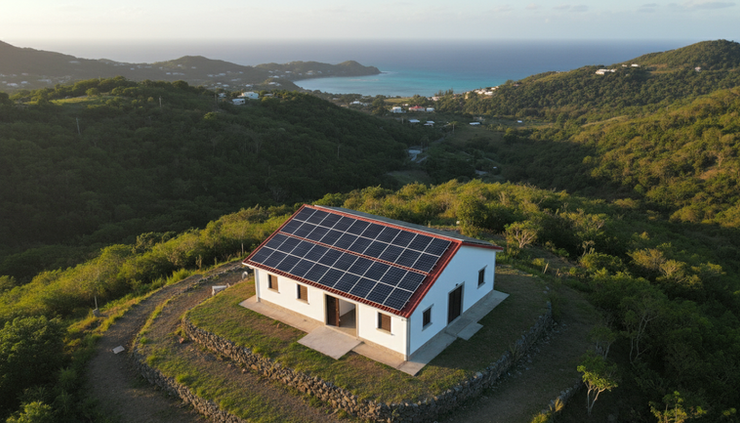
The best opportunities combine profit with local usefulness
Montserrat is not the place for every investor. It suits patient capital, local respect, and businesses built around real needs. The strongest opportunities are likely to be in boutique tourism, agribusiness, skilled trades, renewable energy, property services, food production, marine services, and practical training.
A profitable business in Montserrat should do more than chase visitor spending. It should help residents, support the diaspora, create dependable jobs, and make life on the island easier or better.
The next step is simple: choose one idea, test demand with real conversations, price the numbers honestly, and start small enough to learn before expanding. In a market this personal, careful execution is the edge.


Comments