
Best Businesses to Build and Sell for High Profit in the USA 2 to 10 Year Guide
A business that sells for “good money” is rarely just a busy business. Buyers pay more for a company that has steady profit, clean records, repeat customers, simple operations, and growth that does not depend on the founder doing everything.
In the USA, the best businesses to build and sell from scratch usually fall into one of two groups:
High cash flow businesses, such as local services, food, home services, and B2B services
High multiple businesses, such as software, subscription products, online content assets, and recurring revenue companies
This guide covers realistic business types you can start today, build over 2 to 10 years, and potentially sell later for a strong return. The profit numbers below are general planning ranges, not guarantees. Location, market, management, debt, competition, pricing, and execution can change everything.
This article is for informational purposes only. It is not financial, legal, or tax advice. Talk with a CPA, attorney, or business broker before buying, building, or selling a business.

What makes a business valuable to buyers
Buyers do not only buy revenue. They buy future cash flow and reduced risk.
A business becomes more valuable when it has:
Recurring revenue
Monthly contracts, subscriptions, memberships, service agreements, or repeat customers make future income easier to predict.
Clean financials
Separate business bank accounts, accurate bookkeeping, tax returns, payroll records, and clear margins make due diligence easier.
Low founder dependence
If the owner is the main salesperson, manager, technician, and problem solver, the business is harder to sell.
Documented systems
Buyers like standard operating procedures, vendor lists, training guides, pricing sheets, and customer service scripts.
Transferable customer relationships
The customer should trust the company, not only the founder.
Growth potential
Buyers pay more when they see room to add locations, raise prices, grow online sales, hire more teams, or expand services.
Most small businesses in the USA sell based on a multiple of seller’s discretionary earnings, often called SDE, or EBITDA for larger companies. Very small businesses may sell for lower multiples. Strong recurring revenue companies can sell for higher multiples.
Quick comparison of businesses you can build and sell
The table below shows practical business models that people in the USA commonly build from scratch and sell later. The profit and sale value ranges are broad planning estimates.
Business type | Typical build cost | 2 to 5 year annual owner profit | 5 to 10 year annual owner profit | Possible resale range |
Home services company | $10,000 to $100,000+ | $75,000 to $300,000 | $250,000 to $1 million+ | 2x to 5x SDE |
Cleaning business | $5,000 to $50,000 | $50,000 to $200,000 | $200,000 to $750,000+ | 2x to 4x SDE |
HVAC, plumbing, electrical | $25,000 to $250,000+ | $150,000 to $500,000 | $500,000 to $2 million+ | 3x to 7x EBITDA |
SaaS software | $20,000 to $250,000+ | $0 to $300,000 | $300,000 to $3 million+ | 3x to 10x revenue or EBITDA, depending on quality |
E-commerce brand | $10,000 to $150,000+ | $50,000 to $300,000 | $250,000 to $2 million+ | 2x to 5x profit |
Content website | $2,000 to $50,000 | $20,000 to $150,000 | $100,000 to $1 million+ | 2x to 5x profit |
Marketplace or lead gen site | $10,000 to $150,000 | $50,000 to $250,000 | $250,000 to $2 million+ | 3x to 8x profit |
Specialty food brand | $25,000 to $250,000+ | $50,000 to $250,000 | $250,000 to $2 million+ | 2x to 6x EBITDA |
Franchise-style local chain | $100,000 to $1 million+ | $150,000 to $600,000 | $500,000 to $3 million+ | 3x to 8x EBITDA |
B2B service agency | $5,000 to $75,000 | $75,000 to $300,000 | $300,000 to $1.5 million+ | 2x to 5x SDE |
Staffing or recruiting firm | $10,000 to $100,000 | $100,000 to $500,000 | $500,000 to $3 million+ | 3x to 7x EBITDA |
Storage or rental business | $100,000 to several million | $50,000 to $300,000 | $300,000 to $2 million+ | Based on income and assets |
These ranges assume the business survives, grows, and keeps good margins. Many new businesses fail or stall before they become sellable, so the model matters, but execution matters more.
The best businesses to build and sell in 2 to 5 years
A 2 to 5 year exit usually works best with businesses that can reach profit quickly. The goal is not to build a huge company. The goal is to prove demand, create systems, and show clean earnings.
Home services businesses can produce strong cash flow
Home services are attractive because demand is local, constant, and often urgent. Examples include:
Lawn care and landscaping
Pest control
Pressure washing
Pool cleaning
Gutter cleaning
Junk removal
Garage door repair
Mobile auto detailing
These businesses can start lean with one truck, basic equipment, and local customers. Over time, the owner can hire crews, add routes, and sell service contracts.
A business making $150,000 in annual owner profit might sell for a multiple of SDE if it has reliable staff and repeat customers. Without systems, it may look like buying a job. With systems, it becomes an asset.
Best way to increase resale value
Build recurring routes and service agreements. A buyer will pay more for predictable monthly work than one-time jobs.
Cleaning companies are simple to start and easier to systemize
Residential cleaning, commercial cleaning, Airbnb turnover cleaning, and specialty cleaning can all become sellable. Commercial contracts often increase value because they create repeat revenue.
The startup cost can be low, but hiring and quality control matter. A cleaning business becomes more sellable when it has:
Trained cleaners
Written checklists
Customer retention data
Clear pricing
A scheduling system
Low customer concentration
A cleaning company with $100,000 to $200,000 in owner profit after 3 to 5 years may attract local buyers, competitors, or first-time business buyers.

B2B service agencies can grow fast with low startup costs
A B2B service agency sells work to other businesses. This can include bookkeeping, recruiting support, video editing, operations support, compliance help, virtual assistant staffing, and niche consulting.
Some agency categories are harder to sell because clients may be attached to the founder. To make an agency sellable, avoid being the only expert. Build a team, package services, and keep clients on monthly retainers.
An agency with strong recurring revenue and low churn can sell well. An agency with project-based work and no second layer of management will usually sell for less.
Best 2 to 5 year agency targets
Bookkeeping for specific industries
Recruiting for specific job categories
Compliance support for regulated businesses
Back-office support for medical, legal, or trade businesses
Video production for one niche, such as real estate or training content
E-commerce brands can sell well if margins are real
E-commerce is still a strong build-and-sell model, but it is more competitive than it was years ago. Buyers look closely at margins, customer acquisition costs, supplier risk, reviews, and inventory controls.
Good categories include:
Pet products
Outdoor and hobby gear
Specialty home goods
Replacement parts
Health-adjacent products that avoid risky claims
Baby and parent convenience products
Niche apparel with strong repeat buyers
A small e-commerce brand may sell for 2x to 5x annual profit. A brand with repeat customers, strong reviews, low return rates, and diversified sales channels can land higher.
Avoid building a brand that depends only on one supplier, one ad channel, or one viral product. That creates risk, and risk lowers the sale price.
The best businesses to build and sell in 5 to 10 years
A 5 to 10 year timeline gives you room to build a company that may attract strategic buyers, private equity groups, or larger competitors. These buyers often pay more for size, management teams, systems, and recurring revenue.
Skilled trade companies can become premium local assets
HVAC, plumbing, electrical, roofing, and restoration companies can sell for attractive multiples in the USA because demand is steady and many owners are retiring. These companies are not easy to build, but they can become very valuable.
The challenge is licensing, hiring skilled workers, safety, insurance, and cash flow. The upside is high demand and strong buyer interest when the business reaches meaningful scale.
A trade company with $1 million or more in annual EBITDA, a management team, and repeat service agreements can attract serious buyers. Smaller companies can still sell, but often at lower multiples.
Value builders for trade companies
Maintenance plans
Dispatch software
Trained managers
Strong reviews
Multiple crews
Clean safety records
Low dependence on the owner
SaaS businesses can sell for high multiples
Software as a service, or SaaS, is one of the most attractive business types to sell because revenue can be recurring and margins can be high. The downside is that building useful software takes time, money, and patience.
The best SaaS ideas usually solve a narrow problem for a specific buyer. Examples include:
Scheduling tools for a specific trade
Billing tools for a niche service business
Compliance tracking for regulated industries
Inventory tools for small manufacturers
Client portals for professional services
Training management for local employers
A SaaS business with steady monthly recurring revenue, low churn, and clear growth can sell for much more than a traditional service business. Early-stage SaaS can also be hard to sell if revenue is small or growth is flat.
For a 5 to 10 year plan, SaaS is one of the strongest options, but only if you can build a product customers truly keep paying for.
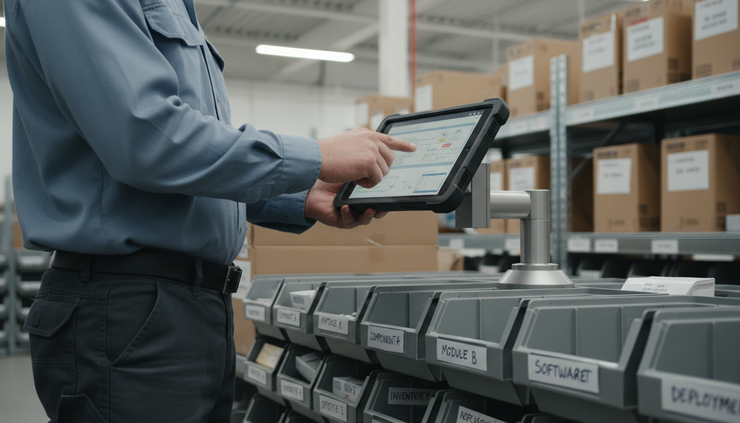
Content websites and digital assets can be built lean
A content website earns money through ads, affiliate commissions, paid directories, digital products, subscriptions, or leads. Good examples include niche review sites, local resource sites, hobby education sites, and industry-specific directories.
This model has lower startup cost, but it takes time to build traffic and trust. Buyers pay more when revenue comes from several sources and the site does not depend on one traffic channel.
A content asset earning $10,000 per month in profit may be sellable. The sales multiple depends on traffic quality, revenue stability, content quality, and risk. Search engine changes can hurt these businesses, so diversification matters.
Better digital assets often include:
Email lists
Paid memberships
Original tools or calculators
Direct advertiser relationships
Lead partnerships
Repeat visitors
Marketplaces and lead generation platforms can scale well
A marketplace connects buyers and sellers. A lead generation business sends potential customers to service providers. Both can become valuable because they sit between demand and supply.
Examples include:
Local contractor lead sites
Senior care referral platforms
Tutor or coach directories
Specialty equipment rental marketplaces
Niche job boards
Legal or insurance lead sites
Home improvement quote platforms
These businesses can be hard to start because both sides of the market need value. Once they work, they can produce high-margin revenue.
Buyers value them when leads are exclusive, trackable, and profitable for partners. A simple lead site with $250,000 in annual profit may sell well if the traffic is stable and customers keep paying.
Businesses with strong resale value but higher startup costs
Some businesses take more capital, permits, or real estate, but they can build large asset value over time.
Specialty food and beverage brands can attract strategic buyers
Packaged food, beverages, sauces, snacks, supplements, and frozen goods can sell to larger brands if they prove customer demand. This path is expensive because of manufacturing, packaging, distribution, and retail slotting costs.
The most sellable brands have:
Strong gross margins
Repeat purchases
Retail and online sales
Clean ingredient and compliance records
Reliable co-packers
A clear customer base
The 5 to 10 year upside can be large, but cash needs can also be high.
Local chains can sell for more than single-location businesses
A single car wash, med spa, fitness studio, daycare, pet care center, or quick-service food location may be profitable. A multi-location system is often more valuable.
Buyers pay for proof that the concept can repeat. Three profitable locations with trained managers may sell for more than one owner-operated location, even if the first location is highly profitable.
Good local chain categories include:
Pet grooming and pet daycare
Med spas and wellness clinics with proper licensing
Auto repair and car washes
Children’s education centers
Boutique fitness
Specialty quick-service food
Self-serve kiosks or vending routes
Storage, equipment rental, and route businesses can be asset-rich
Storage facilities, trailer rentals, tool rentals, vending routes, ATM routes, and laundry routes can produce steady cash flow. Some require real estate or equipment financing.
These businesses sell based on income, assets, location, and operational quality. They can be attractive to buyers who want less day-to-day complexity, but they still need maintenance and management.

How to estimate what your business could sell for
A simple way to think about exit value is:
Annual profit x market multiple = estimated sale price
For example, if a business earns $250,000 in annual owner profit and sells for 3x profit, the price may be around $750,000 before adjustments. Debt, inventory, working capital, taxes, legal fees, and deal structure can change the final amount.
Common sale structures include:
All cash at closing
Seller financing
Earnouts based on future performance
Partial rollover equity
Asset sale or stock sale
Buyers may also adjust profit. They may remove one-time expenses, normalize owner pay, review payroll, check customer concentration, and inspect tax returns.
A business that shows high profit only in spreadsheets will not sell for top dollar. A business that proves profit through tax returns, bank records, contracts, and systems has a better chance.
Which business should you choose
The best business depends on your money, skills, risk tolerance, and timeline.
If you want | Strong options |
Low startup cost | Cleaning, B2B services, content sites, lead generation |
Fast cash flow | Home services, cleaning, recruiting, local B2B services |
High resale multiple | SaaS, marketplaces, trade companies, recurring revenue agencies |
Asset value | Storage, rentals, routes, car washes |
5 to 10 year upside | Skilled trades, SaaS, specialty food, multi-location local chains |
Beginner-friendly operations | Cleaning, lawn care, junk removal, simple e-commerce |
Best chance of repeat revenue | SaaS, maintenance services, commercial cleaning, memberships |
For most first-time builders, the strongest path is a boring business with repeat demand. Cleaning, home services, bookkeeping, niche B2B services, and lead generation may not sound exciting, but they can create real profit faster than trend-based ideas.
For builders with technical skills or access to capital, SaaS, marketplaces, skilled trades, and local chains can create bigger exits over a longer period.
How to build with the sale in mind from day one
If you want to sell later, build like a buyer is already watching.
Start with these habits:
Keep clean books from the first month
Separate personal and business spending
Track revenue by service, product, or customer type
Write down your daily processes
Build a customer list you own
Avoid relying on one customer for too much revenue
Hire and train people before you feel ready
Raise prices when demand proves it
Keep proof of reviews, contracts, renewals, and retention
Review margins every month
The biggest mistake is waiting until the year of sale to fix the business. Buyers can see rushed cleanup. A sellable company is built over years.
A good 2 to 5 year target is to create a business that earns dependable owner profit without chaos. A good 5 to 10 year target is to build a company with management, repeat revenue, and growth options that a buyer can step into.
The best business to build and sell is not always the trendiest one. It is the one you can operate well, document clearly, grow profitably, and transfer to a buyer with confidence.


Comments