
Investing in Wood Pallet Business
A simple wooden pallet can look like the least exciting object in commerce. It sits under boxes, moves through warehouses, gets repaired, resold, and often goes unnoticed. Yet that quiet utility is exactly why the wood pallet business can become a serious wealth-building opportunity.
Every physical product needs a way to move safely. Food, beverages, building materials, appliances, auto parts, farm goods, and retail inventory all travel on pallets. That steady need gives pallet businesses something many flashy ventures lack: repeat demand from practical customers.
This article is for informational purposes only and should not be treated as financial advice. Any investment carries risk, and results depend on capital, location, management, pricing, and execution.
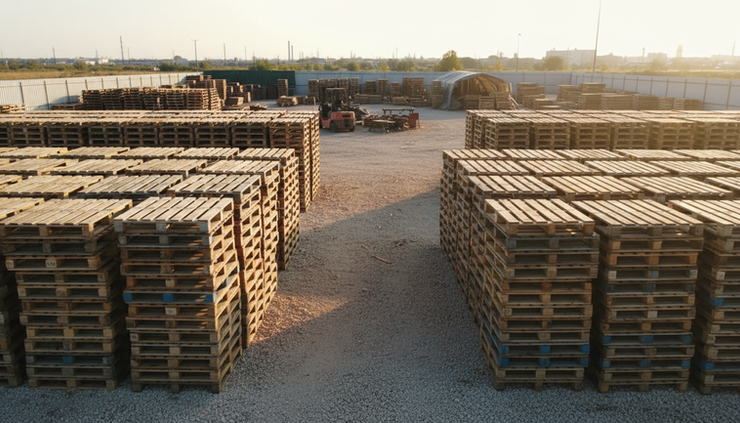
Why pallets are more valuable than they look
The pallet business is built on movement. When goods move, pallets move with them. That makes the industry tied to everyday commerce rather than a passing trend.
A standard pallet may not carry a high price on its own, but the economics become more attractive at volume. If a company buys, repairs, sells, and reuses pallets every week, each unit can generate income more than once. A pallet business can earn from several activities:
Selling new pallets to manufacturers and distributors
Buying used pallets and repairing them
Collecting unwanted pallets from businesses
Reselling recycled pallets to cost-conscious customers
Supplying custom pallet sizes for special products
Grinding end-of-life pallets into mulch, bedding, or biomass material
The business also has a clear problem to solve. Shippers need reliable pallets, but they do not always want to manage broken units, storage piles, or pickup schedules. A pallet operator can step in and handle those pain points.
That is where wealth-building potential begins. The business does not depend only on one-time sales. It can grow through recurring accounts, efficient repair systems, local delivery routes, and long-term relationships with businesses that ship goods every day.
The main ways to invest in a wood pallet business
There is more than one way to enter the industry. Some models require trucks, equipment, and a yard. Others begin with sourcing and relationships.
Business model | How it makes money | What it requires |
New pallet manufacturing | Builds and sells pallets from lumber | Saws, nailers, lumber supply, labor, space |
Pallet recycling and repair | Buys or collects used pallets, repairs them, and resells them | Repair tools, sorting area, truck access, buyers |
Pallet brokerage | Matches pallet suppliers with businesses that need pallets | Supplier network, customer relationships, pricing skill |
Custom pallet production | Builds nonstandard sizes for specific products | Design know-how, measuring accuracy, flexible production |
Pallet removal service | Charges or trades for removing unwanted pallets | Routes, loading help, sorting system, resale outlets |
For many investors, recycling and repair offer the most practical entry point. New manufacturing can work well, but it usually needs more capital and tighter control over lumber costs. Brokerage can start lean, but it depends heavily on trust and reliable suppliers.
A repair-focused operation can grow in stages. A small investor might begin by collecting used pallets, sorting them, repairing usable units, and selling them to local warehouses. As sales become steady, the business can add better tools, more storage, delivery vehicles, and trained workers.
How the economics can build real wealth
Wealth in the pallet business usually comes from small margins repeated many times, not from a single large transaction. The goal is to create a system where pallets move through the business quickly and profitably.
A simple pallet cycle looks like this:
Source used pallets from local companies.
Sort them by size, grade, and condition.
Repair the units that are worth saving.
Sell them to businesses that need affordable pallets.
Remove or process scrap wood from damaged units.
Repeat the route weekly.
The strongest operators watch three numbers closely.
Acquisition cost
This includes what the business pays for pallets, plus the cost of picking them up. Sometimes unwanted pallets can be collected at low cost because the business owner wants the space cleared. In other cases, a pallet operator must pay for better-quality cores.
Repair cost
Repairs include boards, nails, labor, sorting time, and waste handling. A pallet that needs too much work can destroy profit. Good sorting matters.
Resale price
The resale price depends on size, grade, local demand, quantity, and delivery terms. Standard-size pallets usually sell faster because more businesses can use them.
The compounding effect comes from turning inventory over again and again. A pallet company that builds a reliable customer base can create steady monthly cash flow. Over time, that cash flow can fund more trucks, more repair stations, better equipment, and bigger accounts.
That is how a modest yard can grow into an asset. The business can own vehicles, equipment, inventory, customer contracts, and supplier relationships. Those assets can make the company valuable beyond its daily profit.
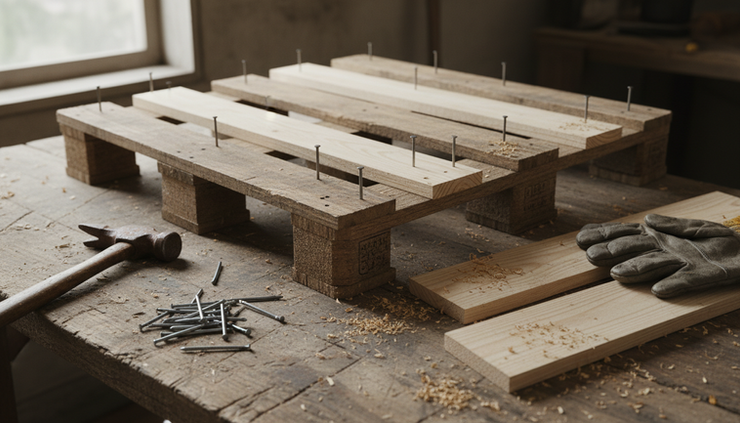
Why demand can stay steady through different markets
Pallet demand follows the physical economy. When manufacturers, farms, food companies, retailers, and distributors ship products, they need pallets. Even when one sector slows, another may still need supply.
Wood pallets also remain popular because they are practical. They are strong, repairable, widely accepted, and familiar to warehouse teams. Plastic and metal pallets serve some industries, but wood remains common because it balances cost, function, and availability.
The recycling side has another advantage. Many companies want to reduce waste and keep yards clear. A pallet recycler can help them avoid piles of broken wood while returning usable pallets to the market. That supports both cost control and sustainability goals.
This creates an attractive position for a local or regional pallet company. It can serve businesses that need regular pickup and delivery, not just cheap pallets. Reliable service often matters as much as price.
A customer may choose a supplier because the pallets arrive on time, meet expected quality, and come with quick replacement if a problem appears. Those habits create trust, and trust can keep accounts for years.
What makes a pallet business profitable
A wood pallet business does not become profitable by accident. The most successful operators treat it as a numbers-based logistics business, not just a wood business.
Reliable sourcing
Without used pallets, lumber, or repairable cores, the business cannot sell consistently. Strong sourcing may come from:
Warehouses with excess pallets
Retail backrooms and distribution centers
Construction suppliers
Food and beverage facilities
Printing, packaging, and manufacturing plants
Other pallet yards that need overflow support
The best sources produce regular volume and predictable quality. A small quantity of clean, standard pallets each week may be more valuable than random piles that take too much labor to sort.
Fast sorting
Sorting protects profit. Pallets should be separated by size, grade, and repair need. A messy yard wastes time and hides inventory.
Common categories include:
Ready to sell
Minor repair
Heavy repair
Scrap wood
Odd sizes
Custom order material
A disciplined sorting system helps workers move faster and prevents good pallets from getting damaged in storage.
Smart repair standards
Repairing every pallet is not wise. Some units are too broken to justify labor. Others may need only one board and a few nails.
Clear repair standards help keep quality consistent. Customers care about safety, load strength, and appearance. A business that sells weak pallets may lose accounts quickly.
Local delivery control
Pallets are bulky. Transportation can eat profit if routes are poorly planned. A strong operator groups pickups and deliveries by area, keeps trucks full when possible, and avoids unnecessary trips.
Even small improvements in routing can affect profit because fuel, labor, truck maintenance, and time all matter.
Customer mix
A healthy pallet business avoids relying on one customer. Large accounts can bring volume, but losing one can hurt. Smaller customers may pay better prices but require more coordination.
A balanced mix gives the business more stability.
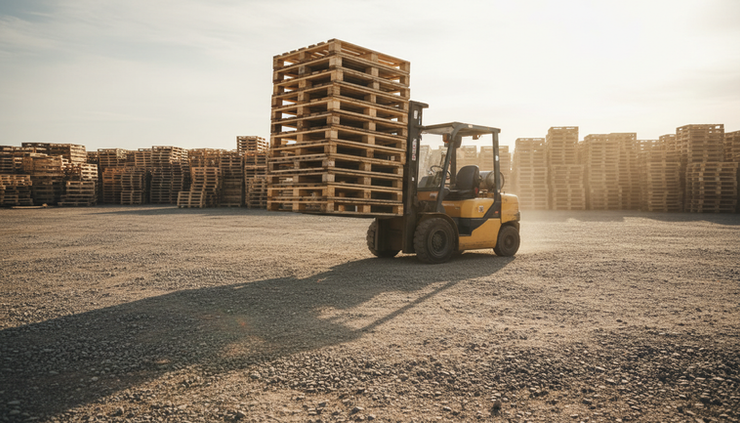
Startup costs and what investors should plan for
The capital needed depends on the model. A brokerage model can begin with limited funds. A manufacturing or full recycling yard requires more.
Common startup needs include:
Yard or warehouse space
Pickup truck, box truck, flatbed, or trailer
Pallet jacks or forklift access
Saws, nail guns, compressors, and hand tools
Replacement boards and nails
Safety gear
Business insurance
Local permits where required
Waste disposal or grinding arrangements
Basic bookkeeping and inventory tracking
A new operator should also plan for working capital. Customers may not pay immediately, but fuel, labor, rent, and materials come due quickly. Cash flow management can decide whether the business survives its first year.
Insurance matters too. Pallets are used around heavy goods, forklifts, trucks, and workers. A professional should review liability, vehicle coverage, property coverage, and workers’ compensation needs.
Local rules can affect storage, fire safety, noise, zoning, and waste handling. Wood piles can create fire risk if managed poorly. A clean, organized yard is not just more efficient, it can also reduce hazards.
The risks that can reduce returns
The wood pallet business can create wealth, but it is not easy money. Several risks can cut into profit.
Lumber price changes
New pallet manufacturers feel this most, but repair businesses can also face higher board costs.
Labor shortages
Repair work is physical. Hiring and retaining dependable workers can be difficult in some areas.
Poor-quality pallet supply
If most incoming pallets require heavy repair, labor costs rise and resale volume falls.
Transportation costs
Fuel, vehicle repairs, tires, and driver time can reduce margins quickly.
Customer concentration
A business that depends on one or two large buyers may struggle if those buyers switch suppliers.
Slow payment cycles
Commercial customers may pay on terms. A growing business can look profitable on paper while running short on cash.
The answer is discipline. Track costs by load, customer, route, and pallet grade. When the numbers show a weak account or unprofitable route, adjust before the problem grows.
How to grow from side business to serious operation
A small pallet business can start with local pickups and repairs, then expand into a larger operation. Growth should follow proven demand, not guesswork.
One smart path looks like this:
Start with standard pallet sizes that sell quickly.
Build repeat pickup sources.
Secure a few reliable buyers.
Track cost and profit per load.
Add tools that reduce repair time.
Hire workers only when volume supports payroll.
Add delivery routes with paying customers already lined up.
Offer custom sizes once the team can handle standard work well.
The strongest growth often comes from service, not just inventory. For example, a customer may need weekly pallet delivery, broken pallet removal, and emergency replacement during busy seasons. A pallet supplier that handles all three becomes harder to replace.
This is where the phrase How Investing in Wood Pallet Business Can Help You Build Wealth becomes practical rather than promotional. The fortune is not in a single pallet. It is in building a repeatable system around sourcing, repair, delivery, and customer retention.
A larger pallet company may also add related services:
Heat-treated pallets for export needs, when properly certified
Custom crating and skids
Scrap wood processing
Trailer drop programs
On-site pallet management for large customers
Mulch or recycling partnerships
Each added service should solve a real customer problem and fit the company’s capacity.

Who is best suited for this investment
The pallet business rewards practical operators. It fits people who like tangible assets, local commerce, and hands-on systems. It does not fit investors who expect passive income from day one.
A good owner or investor should be comfortable with:
Negotiating with local businesses
Managing trucks, drivers, and repair workers
Watching small cost changes
Keeping a yard safe and organized
Building long-term customer relationships
Solving everyday operational problems
An investor who does not want to run daily operations can still participate, but they need a skilled operator. In that case, the operator is as important as the equipment. Good management protects margins, quality, and customer trust.
How to evaluate a pallet business before investing
Before buying or funding a pallet operation, review the real business behind the piles of wood.
Ask for clear answers to these questions:
Where do the pallets come from?
How stable are the supply sources?
Who buys the finished pallets?
What percentage of revenue comes from the largest customer?
How much does the company earn after labor, fuel, rent, repairs, and waste handling?
How quickly do customers pay?
What equipment does the business own?
Are trucks and forklifts in good condition?
Are there permits, zoning rules, or safety issues?
How is inventory counted and valued?
Do not rely only on sales numbers. Revenue can look strong while profit stays thin. Review margins, route costs, repair costs, and cash flow.
If possible, watch the operation for a full day. A well-run pallet yard has rhythm. Trucks arrive, pallets get sorted, repairs move steadily, finished inventory leaves, and scrap does not pile up for weeks. Disorder often signals hidden costs.
The real wealth lesson in pallets
The wood pallet business proves that wealth does not always come from glamorous ideas. Sometimes it comes from serving a basic need better than others.
Pallets are ordinary, but the system around them can become valuable. A business that controls supply, repairs efficiently, delivers reliably, and keeps customers happy can create steady cash flow. With time, that cash flow can fund equipment, staff, property, and expansion.
The opportunity is real, but it rewards patience and careful management. Start with the numbers. Learn the local market. Build repeat customers. Protect margins. Keep the yard safe and organized.
A wooden pallet may be simple, but a well-run pallet business can become a durable asset. For the right investor, that is where the wealth is built.


Comments