
How to Invest in a Legal Mushroom Spores Business in the USA
- 7 days ago
- 9 min read
Mushroom spores can look like a small niche, but the business behind them touches agriculture, lab work, e-commerce, food safety, and controlled-substance law. That mix creates opportunity, and it also creates real risk for anyone who treats it casually.
In the United States, the safest investment path is clear: focus on legal gourmet, culinary, educational, or agricultural mushroom products, build strict compliance into the company from day one, and avoid any activity that could be viewed as helping customers cultivate controlled substances.
This guide explains how to evaluate the market, stay legal, cultivate and handle spores securely, and sell online in a way that protects the business.
This article is for general informational purposes only. Mushroom laws vary by state and can change. Speak with a qualified attorney before launching or investing.
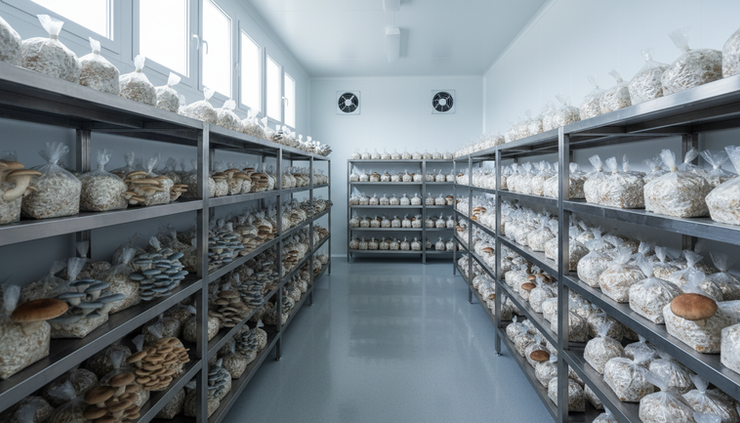
Start by defining the legal business model
The phrase “mushroom spores business” can mean several different things. Investors should define the exact model before spending money on equipment, inventory, branding, or advertising.
Common legal business models include:
Selling spores, cultures, or spawn for gourmet mushrooms
Producing grow kits for legal edible species
Supplying hobby growers with sterilized substrate and equipment
Selling spore prints or slides for education and microscopy where lawful
Serving farms, restaurants, schools, or mycology clubs
Building a local or online brand around culinary mushroom cultivation
The safest long-term model is usually centered on edible species such as oyster, shiitake, lion’s mane, chestnut, wine cap, reishi, and other lawful varieties. Some of these are grown for culinary use, while others are used in supplements or wellness products. If you enter the supplement side, be careful with claims. The FDA and FTC scrutinize health-related marketing.
A higher-risk model involves spores from species that may later produce controlled substances. In many cases, spores themselves may not contain scheduled compounds, but cultivation can still be illegal under federal law and under many state laws. Some states also restrict possession or sale of certain spores. This creates legal exposure for sellers, payment processors, logistics partners, and investors.
A conservative investor should ask one simple question:
Would the business still make sense if it never touched psilocybin-related species?
If the answer is yes, the business has a stronger foundation.
Understand the legal boundaries in the United States
Mushroom law in the U.S. is not one single rule. It includes federal controlled-substance law, state statutes, local rules, agriculture regulations, consumer protection law, tax rules, and e-commerce platform policies.
Federal law matters first
Psilocybin and psilocin are Schedule I controlled substances under federal law. That means cultivating mushrooms that contain those compounds is federally illegal unless conducted under a valid legal authorization, such as approved research or a licensed program under applicable rules.
This is the main line investors must not blur. Selling spores, supplies, or instructions in a way that promotes illegal cultivation can create serious legal risk, even if the product itself is a spore print or syringe.
For a legal business, marketing should avoid:
Instructions for cultivating controlled mushrooms
Yield claims for controlled species
Customer photos showing illegal grows
Product bundles designed for unlawful use
Language that suggests consumption or drug effects
Shipping to states where the item is prohibited
State laws can be stricter
Some states have specific restrictions on certain mushroom spores. Others may treat them differently depending on intent, labeling, and use. City and county rules can also affect cultivation facilities, food production, and sales tax obligations.
Before launch, create a state-by-state shipping policy. This should cover:
Where products can be sold
Which products are restricted
Age requirements, if any
Required disclaimers
Recordkeeping standards
Return and refund rules for restricted items
Do not rely on internet forum summaries. State law should be reviewed by counsel.
Food and agriculture rules may apply
If the business grows and sells edible mushrooms, it may fall under food safety rules. Requirements vary by product type and sales channel.
Fresh mushrooms, dried mushrooms, grow kits, supplements, and powders may all trigger different duties. These can include labeling rules, facility standards, state agriculture registration, food handler requirements, or inspection.
A grow kit that includes living material may also raise questions about pests, plant health, or interstate shipping rules. Make sure the business understands USDA, state department of agriculture, and carrier requirements before scaling nationwide.
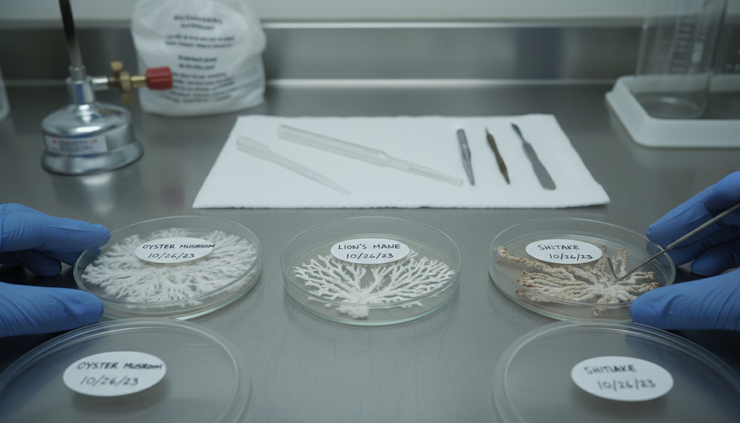
Build a secure cultivation and handling process
Security in this business does not only mean locks and cameras. It means clean inputs, controlled processes, accurate records, and clear separation between lawful and unlawful activity.
For legal gourmet mushrooms, the goal is to produce reliable spores, cultures, spawn, or grow kits without contamination, mislabeling, or unsafe conditions.
Choose lawful species and verified genetics
Start with suppliers that can document species identity and legal origin. Keep invoices, strain records, and supplier communications. Do not mix undocumented genetics into a commercial catalog.
A strong catalog might include:
Oyster mushrooms for beginners and small farms
Shiitake for culinary growers
Lion’s mane for specialty food markets
Reishi for ornamental or permitted product lines
Wine cap for outdoor garden cultivation
Chestnut mushrooms for growers seeking variety
Use scientific names alongside common names where possible. This reduces confusion and helps customers understand what they are buying.
Use clean-room habits without overcomplicating the facility
A legal spores business does not always need a pharmaceutical-grade lab, but it does need disciplined sanitation. Contamination can destroy inventory and damage customer trust.
Core practices include:
Separate clean work from dirty work
Use sterilized tools and containers
Control airflow during culture work
Wear gloves, hair covering, and clean clothing
Sanitize surfaces before and after handling cultures
Quarantine new cultures before adding them to production
Dispose of contaminated material safely
Keep pests out of production and storage areas
Many small businesses begin with a dedicated clean room or lab corner, then scale into a larger facility. The key is consistency. A simple process followed every time beats a fancy setup used carelessly.
Track every batch
Batch records protect the company when something goes wrong. They also help identify which products perform well.
Each batch record should include:
Species and strain
Supplier or parent culture
Date received or created
Production date
Sterilization or preparation notes
Storage location
Quality check results
Pack date
Ship date, when applicable
Use lot numbers on labels. If a customer reports contamination or mislabeling, the team can trace the issue quickly.
Store spores and cultures correctly
Storage demands vary by product type. Spores, prints, liquid cultures, agar plates, colonized spawn, and grow kits all have different shelf-life concerns.
Set written standards for:
Temperature range
Light exposure
Humidity control
Maximum storage time
Packaging materials
Expiration or best-by language
Shipping temperature limits
Do not overpromise shelf life. A realistic storage claim builds more trust than a bold one that leads to refunds.
Invest in the right equipment and controls
A spores business can start lean, but cutting corners on critical tools often costs more later. Prioritize equipment that improves safety, consistency, and compliance.
Useful categories include:
Investment area | Why it matters |
Sterilization equipment | Reduces contamination and product failure |
Clean work area | Protects cultures during handling |
Labeling system | Prevents misidentification and shipping errors |
Temperature-controlled storage | Preserves product quality |
Batch tracking software | Supports recalls, refunds, and quality review |
Packaging supplies | Protects products during transit |
Waste handling process | Keeps the facility clean and compliant |
Avoid buying a large facility before proving demand. A better approach is to validate the catalog, margins, and repeat purchase rates first.
Capital planning should include:
Facility rent or buildout
Lab equipment
Utilities
Insurance
Legal review
Accounting
Packaging
Website development
Inventory waste
Customer support
Refunds and replacements
The hidden cost in this business is failure rate. Some batches will contaminate. Some shipments will be delayed. Some products will not survive poor customer storage. Build those realities into pricing.

Create a compliance-first online store
Selling online makes national reach possible, but it also exposes the company to more legal, payment, and shipping risk.
A compliant website should be clear about what the company sells, where it ships, and how products may be used.
Write product pages carefully
For legal gourmet species, product pages can explain cultivation basics, culinary uses, storage, and expected handling. For any product sold for microscopy or education, be precise and avoid language that suggests unlawful use.
Product pages should include:
Species name
Intended lawful use
Storage guidance
Shipping limits
Return policy
State restrictions
Safety warnings
No medical or drug-effect claims
Do not use photos or reviews that show illegal cultivation. Moderate user-generated content before it appears on the website.
Use age gates and shipping restrictions when needed
Depending on the product mix, the business may need age verification or state-based shipping blocks. Even when not legally required, these controls can show good faith and reduce risk.
At minimum, the store should be able to:
Block restricted states
Block restricted products by ZIP code
Flag suspicious orders
Limit bulk purchases where appropriate
Document customer acknowledgments
Keep records for internal review
Payment processors can shut down accounts if they believe the business is high risk. Be transparent during underwriting. Hidden risk usually creates bigger problems later.
Make policies easy to find
Place compliance policies where customers can see them before checkout. Legal text hidden in fine print rarely helps customer experience or risk management.
Include clear pages for:
Shipping restrictions
Terms of sale
Refunds and replacements
Lawful use policy
Privacy policy
Product storage and handling
Contact information
A serious business should also train customer support staff to avoid giving illegal guidance. If a customer asks how to cultivate controlled mushrooms, the support answer should refuse and redirect to lawful uses.
Market the business without creating legal risk
Mushroom businesses can build strong brands through education, food culture, gardening, and sustainable agriculture. They do not need drug-coded language to grow.
Safer marketing angles include:
Home cultivation of legal edible mushrooms
Farm-to-table cooking
Small-scale agriculture
Composting and substrate education
Mycology as science education
Beginner-friendly grow kits
Specialty mushrooms for chefs
Supplies for legal hobby growers
Content marketing can work well. A company might publish guides on growing oyster mushrooms, comparing substrate types for legal species, or storing fresh mushrooms after harvest.
Avoid claims that products cure disease, treat anxiety, improve cognition, or produce medical results unless the company has the legal basis and evidence required for that claim. Wellness language can attract regulators when it sounds like a drug claim.
Influencer campaigns also need caution. If a creator uses your product in illegal content, that content can hurt the company. Contracts should require lawful use, compliant statements, and pre-approval for regulated product claims.
Price for quality, not just volume
Low-price competition is common in hobby markets. A legal mushroom spores company can compete on reliability instead.
Customers often pay more for:
Clean cultures
Accurate species identification
Fast, careful shipping
Real customer support
Clear instructions for legal species
Replacement policies
Consistent results
Transparent sourcing
Track gross margin by product. Grow kits may sell at a higher price but cost more to ship. Spore prints may be light and inexpensive to ship but can carry different legal concerns depending on species and state. Fresh mushrooms are perishable and local by nature, while cultures and supplies can support online repeat sales.
A balanced business may sell several product types:
Product type | Business value |
Gourmet cultures | Repeat purchases from hobby growers and small farms |
Grow kits | Beginner-friendly entry product |
Sterilized substrate | Useful recurring supply |
Educational materials | Builds trust and reduces support burden |
Fresh or dried legal mushrooms | Adds local food-market revenue where permitted |
Manage risk like an investor
Before investing, review the business like a regulated operation, even if it is small.
Ask for:
Legal review memo
State shipping matrix
Supplier records
Batch tracking process
Insurance policies
Standard operating procedures
Product labels
Website terms
Customer support scripts
Refund and complaint history
Payment processor approval
Tax and sales permit status
Insurance deserves special attention. Look into general liability, product liability, property insurance, workers’ compensation if employees are involved, and cyber coverage for an online store.
Also review exit risk. A company tied to legally questionable products may be harder to sell, finance, or insure. A company built around legal gourmet mushrooms, strong records, and clean operations has more options.

Set a practical launch plan
A phased launch reduces waste and legal exposure. Start narrow, prove demand, then expand.
A sensible first phase could include:
Select three to five legal edible species.
Source verified cultures from reputable suppliers.
Build written sanitation and batch procedures.
Test products in small runs.
Create compliant labels and website copy.
Review legal restrictions before accepting orders.
Sell to a limited set of states at first.
Track complaints, contamination rates, and repeat purchases.
Improve packaging based on shipping results.
10. Add products only after the process is stable.
This approach may feel slower than launching a huge catalog, but it protects capital. It also gives the company time to learn what customers actually want.
The strongest opportunity is the cleanest one
A legal mushroom spores business in the USA can be a smart investment when it is built around lawful species, careful production, honest marketing, and disciplined compliance. The real value is not just in spores. It is in trust.
The safest path is to stay focused on legal gourmet and educational mycology, document every step, and treat online sales like a regulated channel from the start. If the business depends on customer behavior that regulators would question, the investment is weaker than it looks.
Build the company so a lawyer, payment processor, insurer, and serious buyer can all review it without concern. That is what turns a niche mushroom operation into a durable business.


Comments