
Investing in Mining Business in the USA
- Aug 30
- 8 min read
Best Sectors Profits Expenses and State Rules
Mining can be highly profitable, but it is not a simple “buy land and dig” business. In the United States, the best mining investments are usually the ones with clear permits, nearby buyers, strong transport access, and predictable reclamation costs.
This article is for informational purposes only and is not legal, tax, or investment advice. Mining rules change by state, county, land ownership, mineral type, and water impact. Before investing, confirm the rules with a mining attorney, a geologist, the state mining agency, and the local zoning office.

The best mining sectors to invest in across the USA
The “best” mining sector depends on capital, geology, location, and tolerance for permitting risk. A small investor may do better with aggregates or industrial minerals. A larger investor may look at lithium, copper, gold, or metallurgical coal, but those require more capital and longer timelines.
Construction aggregates are the most practical sector
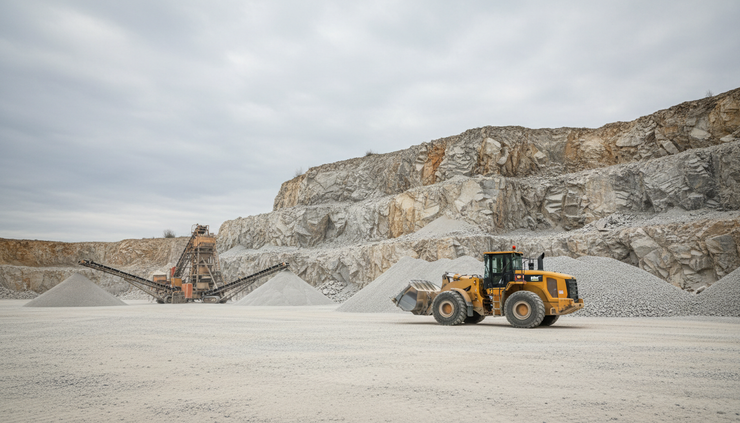
Aggregates include crushed stone, sand, and gravel. They are used in roads, concrete, asphalt, drainage, and commercial building.
This sector is attractive because demand is local. A mine close to a fast-growing city, highway project, or concrete plant can have strong margins. The main limit is transportation. Rock and sand are heavy, so distance can destroy profit.
Best states for aggregates
Texas, Florida, California, Arizona, Georgia, North Carolina, Pennsylvania, Ohio, Colorado, and Tennessee all have strong demand from construction and infrastructure.
Why it can work
Lower commodity price risk than metals
Local customers and repeat demand
Easier to understand than precious metal exploration
Often financeable if reserves and permits are clear
Industrial minerals offer stable, niche profits
Industrial minerals include limestone, silica sand, gypsum, salt, potash, kaolin clay, trona, bentonite, and phosphate. These materials feed agriculture, glass, chemicals, cement, drilling, and manufacturing.
This sector can be excellent when the mineral has a clear buyer. The challenge is quality. A deposit may look valuable, but if it fails chemical or particle-size specifications, it may not sell at a premium.
Best states for industrial minerals
Florida for phosphate, Wyoming for trona and bentonite, Georgia for kaolin, Michigan and Kansas for salt, Nevada for lithium brines and clays, Utah and New Mexico for potash and related minerals.
Battery minerals have high upside and high risk
Lithium, nickel, cobalt, graphite, manganese, and rare earth elements attract investor attention because of electric vehicles, grid storage, and defense supply chains.
The upside can be large, but many projects take years before production. Permitting, water use, processing technology, tribal consultation, federal land reviews, and environmental litigation can slow or stop a project.
Best states for battery minerals
Nevada, North Carolina, Arkansas, California, Arizona, Idaho, Montana, and Alaska are common targets depending on the mineral.
Gold and silver are proven but capital intensive
Gold and silver mining can produce strong profits when grades, recovery rates, and metal prices align. Exploration risk is the main problem. Many properties never become mines.
Existing producing mines, royalties, streaming agreements, or joint ventures may be safer than funding early-stage exploration alone.
Best states for precious metals
Nevada is the leading gold state. Alaska, Colorado, Arizona, Idaho, Montana, Utah, South Dakota, and California also have significant mining history.
Copper is a long-term infrastructure play
Copper is essential for electrical systems, construction, vehicles, and renewable power. The U.S. has major copper districts, but new mines face long permitting reviews and high capital costs.
Best states for copper
Arizona, Utah, New Mexico, Nevada, Montana, Michigan, and Alaska are the main states to watch.
Coal can still make money, but risk is higher
Coal remains active in parts of the U.S., especially metallurgical coal used in steelmaking and thermal coal used in power generation. The sector faces market decline in some regions, stricter environmental rules, and financing pressure.
Best states for coal
West Virginia, Wyoming, Pennsylvania, Kentucky, Illinois, Alabama, Virginia, and Montana remain major coal states.
Estimated monthly and yearly profits and expenses
Mining profits vary widely. A permitted aggregate pit near a city may earn steady cash flow. A gold exploration property may spend money for years before earning anything. The figures below are illustrative ranges, not guaranteed returns.
They assume a small to mid-sized U.S. operation with permits, equipment access, commercial buyers, and normal operating conditions.
Mining sector | Typical monthly revenue | Typical monthly expenses | Estimated monthly operating profit | Estimated yearly operating profit |
Sand and gravel | $75,000 to $600,000 | $50,000 to $450,000 | $10,000 to $150,000 | $120,000 to $1.8 million |
Crushed stone | $150,000 to $1.5 million | $100,000 to $1.1 million | $25,000 to $350,000 | $300,000 to $4.2 million |
Industrial minerals | $100,000 to $2 million | $70,000 to $1.5 million | $20,000 to $500,000 | $240,000 to $6 million |
Small gold placer operation | $20,000 to $300,000 | $15,000 to $250,000 | Loss to $100,000 | Loss to $1.2 million |
Hard rock gold or silver mine | $500,000 to $10 million or more | $400,000 to $8 million or more | Loss to $2 million or more | Loss to $24 million or more |
Lithium or battery mineral project | Often pre-revenue for years | $100,000 to millions during development | Usually negative before production | Usually negative before production |
Coal mine | $500,000 to $20 million or more | $400,000 to $17 million or more | Loss to several million | Loss to tens of millions |
Operating profit here means rough profit before debt payments, income taxes, owner distributions, major expansion costs, and one-time legal or permitting events.
Main expenses in a mining business
Mining is expensive because it combines land, geology, machinery, labor, fuel, regulatory compliance, and environmental obligations.
Common cost categories include:
Land purchase, lease, or mineral rights
Geological surveys, drilling, sampling, and reserve reports
State, federal, and local permits
Environmental studies and water testing
Heavy equipment, crushers, screens, conveyors, pumps, and trucks
Fuel, electricity, explosives, tires, wear parts, and maintenance
Operators, mechanics, engineers, safety staff, and contractors
Insurance, legal support, accounting, and bonding
Royalties to mineral owners or government agencies
Reclamation, closure planning, and long-term monitoring
A new investor should pay special attention to reclamation bonding. Many states require a mine operator to post financial assurance before mining begins. This protects the public if the operator walks away from the cleanup obligation.
Is investing in mining worth it?
Mining can be worth it when the project has five strengths.
The deposit is proven
Do not rely on rumors, historic production, or a seller’s informal estimate. A serious project needs drilling, sampling, lab results, reserve estimates, and a mine plan.
The permits are realistic
A rich deposit has little value if it cannot be permitted. Water, wetlands, endangered species, air emissions, blasting, truck traffic, and community opposition all matter.
The buyers are close
For aggregates and many industrial minerals, distance is critical. A deposit 10 miles from a growing city may be worth more than a larger deposit 100 miles away.
The processing route is clear
Some minerals are easy to sell after crushing or washing. Others require chemical processing, flotation, leaching, roasting, or refining. Processing risk can make a project far more expensive.
The exit strategy is realistic
A small mine may provide cash flow. A mineral exploration project may aim for sale to a larger company. A royalty investment may produce income without operating the mine. The best structure depends on capital and risk tolerance.

Is mining allowed in each state?
Mining is generally allowed in every U.S. state, but not everywhere inside each state. A project may need state mine permits, county zoning approval, federal permits, water discharge permits, air permits, reclamation bonds, cultural resource reviews, and landowner consent.
The table below gives a practical, high-level view. “Allowed” means mining exists and can be permitted somewhere in the state. It does not mean every property is available.
State | Is mining investment allowed? | Sectors that usually make the most sense |
Alabama | Yes, with permits | Coal, limestone, aggregates, clay |
Alaska | Yes, with strict land and environmental review | Gold, zinc, silver, copper, rare earths, aggregates |
Arizona | Yes, active mining state | Copper, gold, silver, aggregates, lithium potential |
Arkansas | Yes, with state and local permits | Bromine, lithium brine potential, aggregates, quartz |
California | Yes, but permitting can be difficult | Aggregates, gold, borates, lithium, industrial minerals |
Colorado | Yes, with reclamation rules | Gold, molybdenum, aggregates, industrial minerals |
Connecticut | Yes, mainly quarrying | Aggregates, crushed stone, sand and gravel |
Delaware | Yes, limited mining | Sand, gravel, clay |
Florida | Yes, major industrial mineral state | Phosphate, limestone, sand, heavy minerals |
Georgia | Yes | Kaolin, aggregates, crushed stone, sand |
Hawaii | Yes, limited by land use and environmental rules | Basalt, aggregates, cinder, sand |
Idaho | Yes | Phosphate, silver, gold, aggregates, cobalt potential |
Illinois | Yes | Coal, limestone, sand, gravel, silica sand |
Indiana | Yes | Limestone, coal, sand, gravel, gypsum |
Iowa | Yes | Limestone, gypsum, sand, gravel |
Kansas | Yes | Salt, limestone, sand, gravel, gypsum |
Kentucky | Yes | Coal, limestone, sand, gravel, clay |
Louisiana | Yes | Salt, sulfur history, aggregates, lignite |
Maine | Yes, but metallic mining faces strict rules | Aggregates, granite, industrial minerals |
Maryland | Yes | Aggregates, coal in western areas, limestone |
Massachusetts | Yes, mostly nonmetallic | Sand, gravel, crushed stone |
Michigan | Yes | Iron ore, copper, salt, aggregates, limestone |
Minnesota | Yes, with major environmental review | Iron ore, taconite, aggregates, copper-nickel potential |
Mississippi | Yes | Lignite, sand, gravel, clay, limestone |
Missouri | Yes | Lead, zinc, limestone, aggregates, industrial minerals |
Montana | Yes | Coal, gold, copper, palladium, aggregates |
Nebraska | Yes | Sand, gravel, limestone |
Nevada | Yes, one of the strongest mining states | Gold, silver, lithium, copper, aggregates |
New Hampshire | Yes, limited | Aggregates, granite, sand, gravel |
New Jersey | Yes, mostly quarrying | Aggregates, sand, gravel, industrial sand |
New Mexico | Yes | Copper, potash, coal, uranium history, aggregates |
New York | Yes, with strong local controls | Salt, wollastonite, aggregates, limestone |
North Carolina | Yes | Lithium potential, aggregates, feldspar, mica, phosphate history |
North Dakota | Yes | Lignite, sand, gravel, clay |
Ohio | Yes | Coal, limestone, salt, sand, gravel |
Oklahoma | Yes | Limestone, gypsum, iodine, sand, gravel, coal |
Oregon | Yes, with environmental and land use review | Aggregates, gold, industrial minerals |
Pennsylvania | Yes | Coal, limestone, aggregates, natural stone |
Rhode Island | Yes, limited | Sand, gravel, crushed stone |
South Carolina | Yes | Gold, kaolin, aggregates, sand |
South Dakota | Yes | Gold, aggregates, pegmatite minerals, limestone |
Tennessee | Yes | Limestone, zinc, clay, sand, gravel |
Texas | Yes, very active | Aggregates, limestone, sand, lignite, uranium history |
Utah | Yes | Copper, potash, lithium brines, coal, aggregates |
Vermont | Yes, limited but active in stone | Marble, granite, slate, aggregates |
Virginia | Yes | Coal, aggregates, cement minerals, titanium minerals |
Washington | Yes, with strict environmental review | Aggregates, sand, gravel, gold history |
West Virginia | Yes | Coal, limestone, sandstone, aggregates |
Wisconsin | Yes | Iron potential, frac sand, aggregates, limestone |
Wyoming | Yes | Coal, trona, uranium, bentonite, rare earth potential |
Best states for different investor profiles
A mining investment should match the investor’s capital and timeline.
Investor profile | Better-fit states | Better-fit sectors |
Smaller private investor | Texas, Georgia, Ohio, Tennessee, Indiana, Missouri | Sand, gravel, crushed stone, limestone |
Real estate and land investor | Florida, Arizona, North Carolina, Colorado, Pennsylvania | Aggregates near growth areas |
Industrial mineral investor | Wyoming, Georgia, Florida, Utah, Michigan, Kansas | Trona, kaolin, phosphate, potash, salt |
Precious metals investor | Nevada, Alaska, Arizona, Idaho, Montana, Colorado | Gold, silver, copper-gold projects |
High-risk growth investor | Nevada, Arkansas, North Carolina, California, Utah | Lithium and battery minerals |
Larger institutional investor | Arizona, Nevada, Utah, Alaska, Michigan, Minnesota | Copper, gold, iron, lithium, critical minerals |
Due diligence before buying a mine or mineral rights
The most dangerous mining investments are the ones that look cheap. Low prices often signal unclear title, weak geology, permit problems, bad access, poor recovery, or expensive cleanup.
Before investing, review:
Mineral ownership
Surface rights and mineral rights may be separate. Confirm who owns what.
Permitting status
Ask for copies of all permits, applications, violations, notices, and reclamation plans.
Reserve quality
Get an independent geologist or mining engineer to review the data.
Access and haul routes
A mine needs legal road access, not just physical access.
Water rights and discharge limits
Water can be the deciding factor in the western U.S. and in sensitive wetland areas.
Customer demand
For aggregates, identify concrete plants, asphalt plants, contractors, municipalities, and road builders within economical hauling distance.
Reclamation liability
Estimate real closure costs, not just the bond amount.
Final takeaway
Investing in Mining Business in the USA Best Sectors Profits Expenses and State Rules comes down to one practical question: can the project legally produce a saleable mineral at a cost below the market price?
For most private investors, aggregates and industrial minerals are usually the best starting points. They have clearer customers, lower technical risk, and more predictable demand. Gold, copper, lithium, and other critical minerals can be more profitable, but they often require years of study, major capital, and complex permits.

Mining is allowed in every state in some form, but every serious deal needs state-specific legal review. The best investment is not always the richest deposit. It is the deposit with proven reserves, clear permits, manageable costs, nearby buyers, and a realistic cleanup plan.


Comments