
Top Business Ideas for Foreigners Investing in Panama
- Aug 28
- 9 min read
Panama attracts foreign investors for a simple reason: it sits at the crossroads of the Americas and runs on a service economy built around trade, finance, tourism, and real estate. For the right investor, that mix creates room for small operating businesses, asset-backed ventures, and regional expansion plays.
The country is also dollarized, uses the U.S. dollar as legal tender, and has long served as a logistics and banking hub. Those features can make planning easier for foreigners who think in dollars and want access to both North and Latin American markets.
Still, a good idea in Panama needs more than enthusiasm. Local regulations, labor rules, property due diligence, permits, and market fit matter. This article is for informational purposes only and should not replace legal, tax, immigration, or financial advice from qualified professionals in Panama.
Why Panama appeals to foreign investors
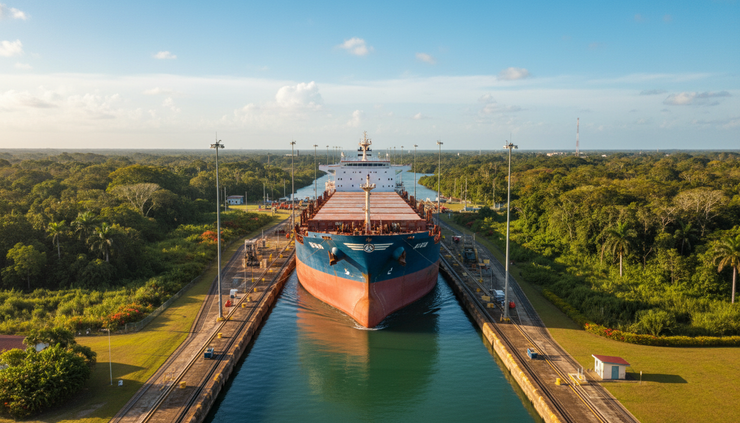
Panama offers a rare combination of regional access, relative business openness, and international familiarity. Its location connects the Caribbean, Pacific, Central America, and South America. That helps explain why logistics, banking, tourism, and import-related services hold such a strong place in the economy.
A few factors stand out:
U.S. dollar economy The use of the U.S. dollar reduces currency exchange uncertainty for many foreign investors.
Strategic location The Panama Canal, ports, airport connectivity, and free trade zones support regional commerce.
International population Panama City, Boquete, Coronado, Pedasí, Bocas del Toro, and other areas have foreign residents, retirees, remote workers, and tourists.
Service-based demand Many opportunities sit around hospitality, housing, logistics, professional services, health, education, and lifestyle needs.
Business infrastructure Panama has established banking, legal, accounting, and corporate service sectors, although foreigners should expect careful compliance checks.
The strongest opportunities usually serve one of three markets: local consumers, international residents, or regional trade. The best fit depends on capital, Spanish ability, operating experience, and comfort with hiring local teams.
Real estate and short-term rental investments
Real estate remains one of the most common entry points for foreigners investing in Panama. The appeal is easy to understand. Property can produce rental income, provide a part-time residence, or appreciate if bought in the right area at the right price.
Common approaches include:
Long-term rentals in Panama City
Short-term vacation rentals in beach towns
Furnished rentals for remote workers and medical visitors
Small apartment buildings
Mixed-use properties with ground-floor retail
Panama City offers demand from professionals, students, diplomats, regional executives, and international residents. Beach and mountain towns can attract tourists and retirees, though income may vary by season.
Investors should be careful with assumptions. Not every condo is a good rental. High maintenance fees, oversupply in some areas, weak management, and unclear homeowners’ association rules can reduce returns. Short-term rentals may also face building restrictions or local requirements.
A practical path is to start with a clearly defined renter profile. A furnished apartment near hospitals, universities, or business districts serves a different market than a beach villa aimed at families on vacation.
Before buying, review:
Title status and property boundaries
Building rules for rentals
Monthly maintenance costs
Tax treatment
Insurance options
Property management fees
Realistic occupancy and rental rates
For foreigners who want an asset-backed business without running daily operations, real estate can work. The key is treating it as a business, not a lifestyle purchase.
Tourism and hospitality businesses
Tourism creates some of Panama’s most visible business opportunities. The country offers beaches, islands, rainforest, mountains, wildlife, city culture, and the Canal. That variety supports niche travel businesses, not only hotels.
Promising ideas include:
Boutique guesthouses
Eco-lodges
Surf camps
Fishing charters
Cultural walking tours
Birdwatching and nature tours
Wellness retreats
Spanish immersion stays
Food and coffee experiences
Foreigners often succeed in tourism when they bring strong guest service standards, clear positioning, and international sales experience. A small lodge in the right location can stand out by offering reliable booking, honest photos, clean facilities, and well-planned activities.
The challenge is operations. Hospitality depends on staffing, maintenance, reviews, weather, transportation, and local relationships. Beautiful locations can be hard to manage if roads, utilities, or suppliers are unreliable.
A good tourism business in Panama should answer three questions:
Who will travel here, and why?
How will guests reach the property or activity?
What makes the experience worth paying for?
Eco-tourism deserves special care. Many travelers want nature-based options, but investors must avoid overbuilding or treating “eco” as a label. Waste management, water use, local hiring, and respect for protected areas matter. Done well, tourism can support both profit and community value.

Food, beverage, and specialty retail
Panama’s international mix creates demand for diverse food and retail concepts. Panama City has a sophisticated dining scene, while expat and tourist areas often need better everyday options.
Business ideas include:
Specialty coffee shops
Bakeries
Healthy prepared meals
Farm-to-table restaurants
Ice cream or dessert shops
Imported food stores
Wine, cheese, or gourmet markets
Beach-town cafés
Mobile food concepts for events
Food businesses are easy to underestimate. Rent, staffing, spoilage, permits, and consistency can strain cash flow. A great recipe does not equal a great business. The best concepts stay narrow, test demand early, and control costs.
For example, a small bakery that serves residents, hotels, and cafés may prove stronger than a full-service restaurant with high payroll and long opening hours. A specialty market in an expat area may succeed if it offers hard-to-find products and reliable inventory.
Foreign investors should pay close attention to local taste. Panama has its own food culture, price expectations, and dining habits. A concept imported from Miami, Madrid, or Toronto may need adjustment. Menus should consider local suppliers, climate, customer budgets, and delivery options.
A useful first step is a low-risk test:
Run pop-up events
Sell at local markets
Supply a few hotels or cafés
Test delivery in one neighborhood
Track repeat buyers before signing a long lease
Food and retail can be rewarding because customers give fast feedback. They can also be unforgiving if the numbers do not work from the start.
Logistics, warehousing, and import services
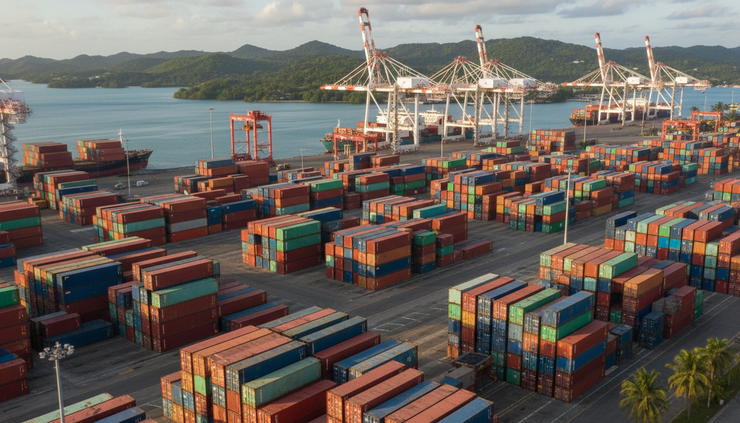
Panama’s role in global trade makes logistics one of its natural business sectors. The Canal, ports, free zones, and regional air links support a flow of goods across the Americas.
Foreigners may find opportunities in specialized services rather than trying to compete with major logistics companies. Examples include:
Small-scale warehousing
Fulfillment for regional sellers
Cold storage for food or medicine
Import support for niche products
Spare parts distribution
Packaging and labeling services
Last-mile delivery in underserved zones
Procurement services for nearby markets
The best logistics opportunities solve a specific pain point. For instance, a business that helps small retailers import specialty goods with proper documentation may have a clearer path than a broad shipping company. A warehouse focused on temperature-sensitive products may serve a real need if it meets compliance and reliability standards.
This sector requires strong attention to rules. Customs, licenses, taxes, product registrations, and storage requirements can be complex. Investors should work with local customs brokers, lawyers, and accountants before committing capital.
Logistics is less glamorous than tourism or restaurants, but it can be more stable when built around repeat business. Panama’s geography gives the sector long-term relevance.
Agriculture, coffee, and specialty exports
Agriculture offers opportunities for patient investors who understand land, climate, labor, and export rules. Panama produces coffee, tropical fruits, cacao, vegetables, seafood, and other products. Specialty items can attract buyers if quality and traceability are strong.
Coffee is one of the best-known examples, especially high-end beans from mountain areas. But coffee farming is not a passive investment. It demands agronomy knowledge, processing, quality control, branding, and reliable sales channels.
Other ideas include:
Specialty cacao production
Greenhouse vegetables near urban markets
Tropical fruit processing
Honey and beekeeping
Aquaculture
Organic herbs and microgreens
Farm stays and agro-tourism
Agriculture can pair well with tourism. A coffee farm that offers tastings and lodging has more revenue options than a farm that sells only raw product. A cacao producer can add tours, workshops, and direct-to-consumer sales.
Land purchases require careful diligence. Investors should verify title, road access, water rights, zoning, environmental restrictions, and labor availability. Rural projects also need patience. Crops take time, weather can disrupt plans, and export buyers demand consistent quality.
The strongest agriculture investments often start small, prove production quality, and grow through contracts or direct customer relationships.
Health, wellness, and senior services
Panama has a sizable retiree and international resident population, which creates demand for health-adjacent and wellness services. Investors should separate regulated medical services from non-medical support. Clinical businesses need proper licensing and qualified professionals.
Non-medical opportunities may include:
Home care coordination
Mobility support services
Wellness retreats
Fitness studios in expat areas
Healthy meal delivery
Recovery stay lodging near clinics
Transportation for medical appointments
Concierge support for retirees
Senior-focused services can be practical and needed. Many retirees want help with errands, translation, appointments, home maintenance, pet care, and transportation. These businesses depend heavily on trust, reliable staff, and clear communication.
Wellness tourism can also work when connected to real strengths, such as nature, yoga, hiking, healthy food, and quiet locations. Avoid exaggerated health claims. Customers value safety, cleanliness, and professionalism more than vague promises.
This category suits investors with service experience and patience. Reputation drives growth. One bad experience can travel quickly through a local community.
Education, language, and skill training
Panama’s international economy creates demand for education and training. This can include children, adults, professionals, and retirees.
Possible businesses include:
English language classes
Spanish classes for foreigners
Test preparation
Tutoring centers
Trade skills training
Culinary or hospitality training
Music, art, and sports programs
After-school programs
Safety and first-aid courses
Language services are especially practical. Foreign residents often need Spanish, while local professionals may need English for hospitality, logistics, aviation, finance, and customer service roles.
Education businesses can start lean. A single instructor, rented classroom, or in-home model can test demand before opening a full center. Online components can help, but in-person trust still matters, especially for children’s programs and skill-based training.
Operators should check regulations for schools, childcare, certifications, and employment. A tutoring business has different requirements than a licensed academic institution.
Professional services for foreigners and small businesses
Foreign residents and new investors often need help understanding everyday systems. This creates room for reputable, transparent service providers.
Potential services include:
Relocation coordination
Property management
Translation and interpretation
Immigration process support through licensed professionals
Accounting and bookkeeping
Insurance brokerage
Home renovation project management
Utility setup and local errands
Business setup coordination
The safest model is to work with licensed Panamanian professionals where required, rather than pretending to replace them. For example, immigration and legal matters should involve qualified lawyers. Accounting and tax work should involve properly credentialed experts.
Foreigners can add value through project management, bilingual communication, customer service, and organized processes. Many clients feel overwhelmed by paperwork, appointments, and local norms. A service that makes those steps clearer can earn strong referrals.
This type of business may require less capital than real estate or hospitality, but it demands credibility. Clear pricing, written scopes, and ethical boundaries are essential.

How to choose the right business idea
The best investment is not always the most popular one. It is the one that fits the investor’s capital, skills, risk tolerance, and time in the country.
Use these filters before committing:
Question | Why it matters |
Will the business serve locals, foreigners, tourists, or regional companies? | Each market has different prices, habits, and sales cycles. |
Does the business require licenses or regulated professionals? | Some sectors need permits, inspections, or local credentials. |
Can the business run without the owner on-site every day? | Absentee ownership raises management risk. |
Is demand proven outside peak season? | Tourism and coastal markets can be seasonal. |
Are suppliers and staff available nearby? | Remote areas can increase costs and delays. |
Can the business survive slower months? | Cash reserves often decide whether a good idea lasts. |
A useful rule is to spend time in Panama before buying or launching. Visit in different seasons. Talk to property managers, lawyers, accountants, suppliers, and business owners. Watch how customers actually behave, not just how the market looks on paper.
Common mistakes foreigners should avoid
Many foreign investors make the same errors because they move too fast. Panama can be business-friendly, but it still rewards local knowledge.
Common mistakes include:
Buying property without full legal review
Assuming short-term rentals are allowed in every building
Underestimating labor obligations
Using tourist demand to justify weak numbers
Hiring without clear contracts and supervision
Ignoring Spanish-language customer service
Expecting U.S. or European processes to work the same way
Relying on one salesperson or promoter for all advice
Independent due diligence is the best protection. Hire your own lawyer, accountant, and technical experts. Ask for written documents. Verify permits. Speak with existing operators. Build realistic budgets that include delays, taxes, repairs, and professional fees.
A strong business in Panama usually grows from patience, not pressure.
Final takeaway
Panama offers real opportunities for foreign investors, especially in real estate, tourism, logistics, food, agriculture, education, wellness, and support services. The country’s dollar economy, trade position, and international population make it easier to understand than many markets, but success still depends on careful execution.
Start with the customer, then test the numbers. Choose a sector where local demand is real, the rules are clear, and the operating model matches your experience. With the right preparation, Panama can be more than a place to invest. It can be a practical base for building a durable business in the region.


Comments